
The First Sino-UK Training Workshop on Tuberculosis Clinical Research Methodology and Implementation for China's Young Investigators Successfully Held in Guangzhou
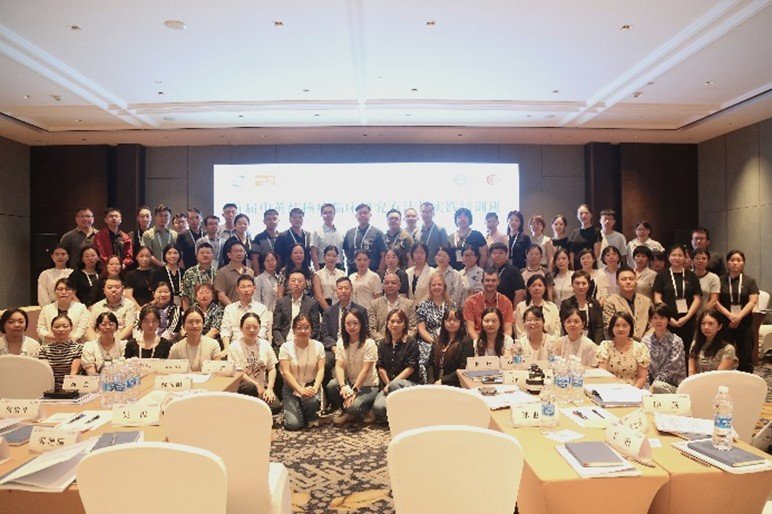
The First Sino-UK Training Workshop on Tuberculosis Clinical Research Methodology and Implementation for China's Young Investigators, co-hosted by the Innovation Alliance on Tuberculosis Diagnosis and Treatment (Beijing, hereinafter the alliance) and the Centre for Global Tuberculosis Research at the University College London (hereinafter UCL-TB), was successfully held in Guangzhou, Guangdong Province from October 12 to 14, 2025. Co-organized by Guangzhou Chest Hospital, Beijing Chest Hospital, Capital Medical University, and the Clinical Center for Tuberculosis, the China Center for Disease Control and Prevention, the training course received technical support from the WHO Collaborating Centre for Tuberculosis Research and Training (Beijing Chest Hospital), the WHO Collaborating Centre for Tuberculosis Research and Innovation (University College London), and the Chinese Tuberculosis Society, Chinese Medical Association. It marks a milestone in top-tier international clinical research capacity building among China's backbone and up-coming TB researchers, clinicians and NTP managers.
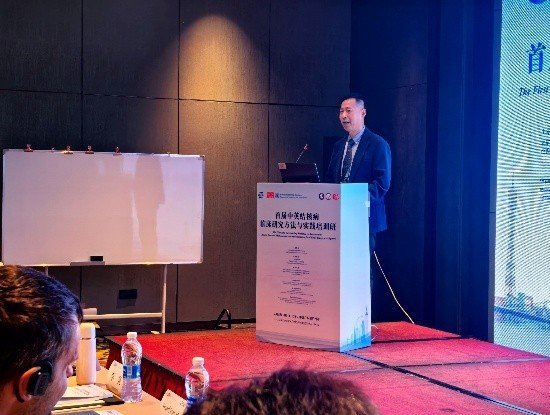
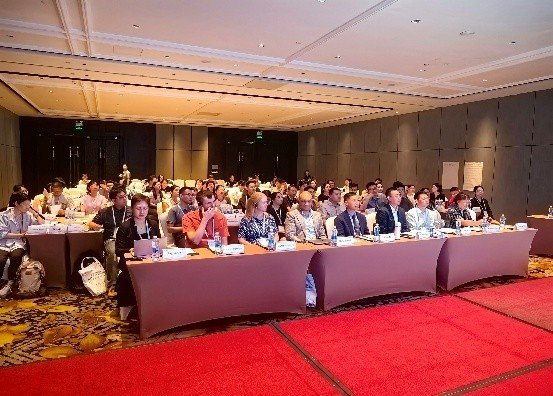
This training workshop aims to introduce state-of-the-art international concepts and methodologies for tuberculosis clinical research, align them with China’s realities and demands in TB prevention and treatment, comprehensively boost the clinical research capacity of designated TB medical institutions, and cultivate a cohort of young and middle-aged clinical research backbones rooted in domestic practice with global vision.
At the opening ceremony, Professor Liang Li, Chairman of the alliance and deputy director of the Beijing Chest Hospital, Capital Medical University, delivered a warm welcome address. On behalf of the organizers, he extended sincere gratitude to the visiting UK experts and renowned domestic scholars, and offered a heartfelt welcome to frontline medical staff, researchers and managers from TB prevention and control institutions nationwide who participated the training.
He emphasized that tuberculosis prevention and control is vital to people’s well-being, and a core priority within China’s national major infectious disease prevention and control strategy. Despite remarkable progress in global tuberculosis clinical research in recent years, we must remain sober-minded: without the rapid rollout of safer, more effective and accessible interventions in high-burden, resource-limited regions, the ambitious goal of ending the global tuberculosis epidemic by 2035 will remain unattainable. Professor Li pointed out that there is an urgent need for more high-quality, clinically relevant and patient-centered innovative clinical studies to generate solid evidence for the promotion of new technologies, treatment regimens and management strategies for TB diagnosis, treatment and care. Against this backdrop, this training course represents an upgraded and innovative initiative tailored to the current landscape and practical demands of domestic tuberculosis clinical research.
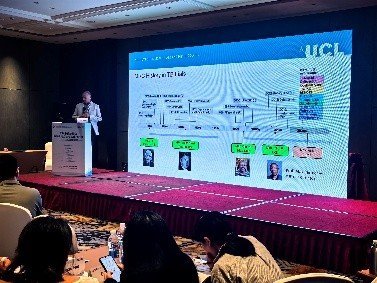
The successful delivery of this training course relied heavily on the generous support from UCL-TB, and especially the UCL Institute of Clinical Trials and Methodology, and the MRC Clinical Trials Unit at UCL. Dating back to the landmark 1946 randomized double-blind controlled trial on streptomycin for tuberculosis treatment, the research team at UCL has conducted numerous influential clinical studies spanning nearly eight decades, covering short-course standardized TB regimens, new anti-TB drugs, novel in vitro diagnostic assays and innovative prevention and control strategies, generating high-quality clinical evidence for global TB response.
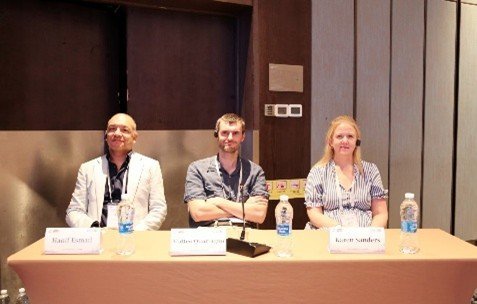
UCL-TB assembled an elite faculty for the workshop, including Professor Molebogeng Xheedha Rangaka, Director of UCL-TB and Professor of Infectious Disease Epidemiology & Public Health; Dr. Hanif Esmail, Deputy Director of UCL-TB, Professor of Infectious Diseases and a consultant in Infectious Diseases at the UCL Hospital for Tropical Diseases; Ms. Karen Sanders, Clinical Trial Project Manager; and Dr. Matteo Quartagno, a biomedical Statistician. The team comprehensively presented the historical evolution of tuberculosis clinical trials undertaken by UCL-TB and the MRC Clinical Trials Unit, shared their globally impactful recent TB research, hands-on experience and lessons in clinical trial design and implementation, as well as pioneering methodologies and outcomes of innovative adaptive trial design developed by the group.
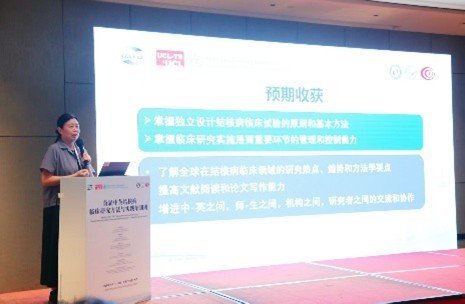
While UK experts delivered lectures on cutting-edge global methodologies and practical applications of tuberculosis clinical research, the training also invited distinguished domestic experts to share insights, including Professor Liang Li, Professor Mengqiu Gao, Professor Yu Pang and Professor Jingtao Gao from Beijing Chest Hospital, Capital Medical University; Professor Hui Zhang from the National Center for Tuberculosis Control and Prevention, China CDC; Professor Wei Sha from Shanghai Pulmonary Hospital, Tongji University School of Medicine; Professor Lei Fan from Nanfang Hospital, Southern Medical University; and Professor Yuhong Liu from the alliance. Their sessions covered the status, unmet needs and challenges of domestic TB clinical research; the necessity and real-world cases of operational research in TB control; strategies to translate clinical research questions into feasible trial protocols; the formulation mechanism and evidence base for developing the WHO guidelines for drug-resistant tuberculosis; and GCLP standards to be followed by laboratories conducting clinical trials.
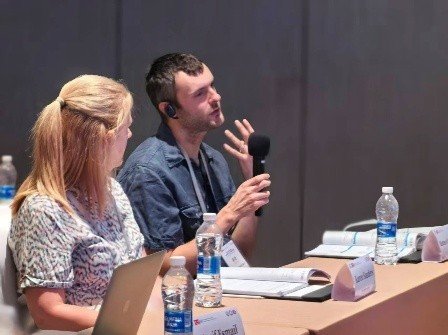
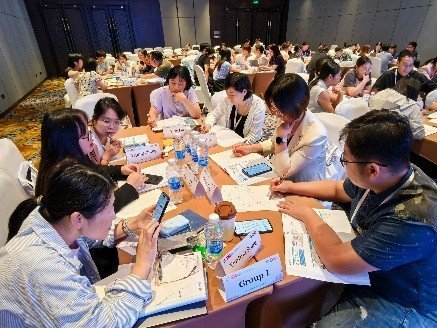
A total of 60 young and middle-aged clinicians, scientific researchers and program managers from 30 designated tuberculosis hospitals across 23 provinces and municipalities and the National Center for Tuberculosis Control and Prevention, China CDC participated in the training. The workshop adopted group discussion sessions, with invited experts providing in-depth reviews of trainees' research proposals. They guided participants to design clinical studies based on their own clinical practice, evaluate the pros and cons of various trial designs, and propose strategies to mitigate bias. This interactive, two-way teaching format greatly motivated participants to engage in academic thinking and solve practical problems, earning unanimous praise from both trainees and faculty.
Beijing Chest Hospital, Capital Medical University, Guangzhou Chest Hospital, the Clinical Center for Tuberculosis, China CDC, and the Chinese Tuberculosis Society, the Chinese Medical Association provided generous support in inviting domestic experts, organizing on-site visits and offering academic backing, laying the groundwork for the smooth running of the workshop. Moreover, this event marked an unprecedented cross-border and cross-regional academic collaboration between the two WHO collaborating centers: the WHO Collaborating Centre for Tuberculosis Research and Innovation at UCL and the WHO Collaborating Centre for Tuberculosis Research and Training at Beijing Chest Hospital, Capital Medical University, demonstrating both institutions’ commitment to contributing to the goal of ending tuberculosis.
At the closing ceremony, Professor Yuhong Liu, Vice Chairman of the alliance, summarized the three-day training and outlined upcoming initiatives and programs led by the alliance to boost capacity building and fund research projects for tuberculosis clinical researches. She noted that the workshop was designed to cultivate talent for member institutions of the China Tuberculosis Clinical Trials Consortium (CTCTC) and other medical organizations committed to TB clinical research, paving the way for China’s participation in global multi-center tuberculosis trials and laying a solid foundation for China to independently lead high-quality international multi-center TB clinical studies in the future. Professor Liu stated that this workshop marks the start of a series of joint initiatives between the alliance and UCL-TB, representing a solid first step toward elite capacity-building programs and research funding support.
In closing, Dr. Hanif Esmail from the UCL-TB commented on the training: “This is the most rigorously organized, academically sophisticated and highly motivated training program focused on tuberculosis clinical research. With such a cohort of dedicated TB prevention and control professionals, China will undoubtedly meet its targets to end tuberculosis and emerge as a key contributor to global tuberculosis clinical research and high-level evidence generation in the years ahead.”
Reported by Chen Zi