
TB Therapeutics
Research and Development Tracker for Chinese manufactured anti‑TB drugs
Introduction
In recent years, China has seen a wave of significant development in reshaping its presence in the global innovative drug sector. Most notably, the adaptation of GCP standards and ICH guidelines in conducting clinical trials for the purpose of registering innovative pharmaceuticals as well as meeting the benchmarks of the WHO Listed Authorities (WLAs) by streamlining and fast‑tracking regulatory processes for drugs that are of great public health benefits and urgently needed by its indicative patient populations. A number of indigenously developed novel anti‑TB compounds, repurposed TB drugs as well as generic versions of novel drugs like Bedaquiline and Pretomanid have been either advancing steadily in pre‑clinical and clinical pipelines or already being manufactured domestically. As China’s overall TB burden continues to fall, its pharmaceutical capacity may well be poised to provide the rest of the world, especially other high TB burden countries with therapeutic choices that are safe and effective.
In order to systematically introduce Chinese developed anti‑TB drugs to the world. The Innovation Alliance on Tuberculosis Diagnosis and Treatment has been working closely with many of the leading pharmaceutical companies in China on evidence generation (both late‑stage clinical evaluation and their health economics), advocacy for WHO PQ and tracking on the progress of their R&D as well as regulatory status. As of August 2026, IATB brings 6 TB pharmaceutical products' latest specs and status in a format compatible with the established pharmaceutical indexes to the tracker with updates taking place every six months.
| Product Name | Class of Antibiotics | Indication | Safety | Effectiveness | Formulation and Dosage | Regulatory Status/manufacturing Standards |
|---|---|---|---|---|---|---|
|
Hongqi Pharma Rifampin and Isoniazid Tablets (Rifampin 0.3 g + Isoniazid 0.15 g) 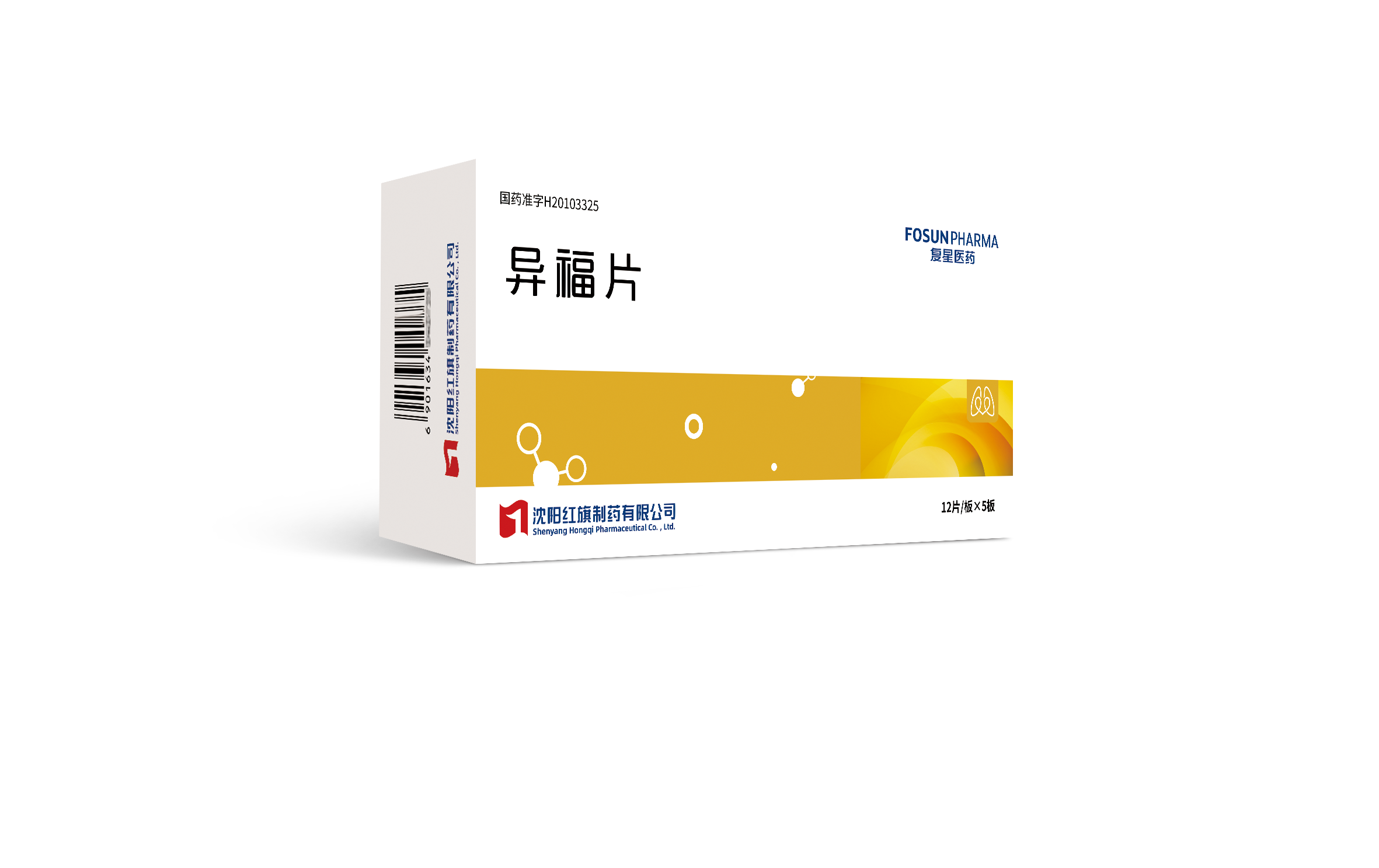 |
Rifamycin + isonicotinic acid derivative (anti‑tuberculosis combination) |
For the treatment of various types of tuberculosis. | AEs: hepatotoxicity, gastrointestinal reactions, hypersensitivity reactions, hematologic abnormalities, peripheral neuritis and other neurologic reactions. Liver function should be monitored during treatment. The product is contraindicated in patients with hypersensitivity to rifampin or isoniazid; patients with hepatic impairment require careful monitoring. | Rifampin inhibits DNA‑dependent RNA polymerase in susceptible mycobacteria, thereby suppressing RNA synthesis. Isoniazid acts mainly against actively growing mycobacteria; its action may involve inhibition of mycolic acid synthesis and disruption of the bacterial cell wall. |
Formulation: Film‑coated tablets. Each tablet contains rifampin 0.3 g and isoniazid 0.15 g. Dosage: Take 30 minutes before a meal or 2 hours after a meal. Adults weighing more than 50 kg: 2 tablets once daily. Continue treatment until bacteriological conversion and maximum improvement of clinical symptoms, or as directed by the physician. Route of administration: Oral. |
Regulatory Status: Chinese drug approval number: Guo Yao Zhun Zi H20103325. Manufacturing Facility Standards: Hongqi Pharma's six production lines comply with GMP requirements. The company has certified management systems covering ISO 9001 (quality), ISO 14001 (environmental), ISO 45001 (occupational health and safety), and ISO 50001 (energy management). A tuberculosis‑medicine production line has also been built in accordance with WHO Prequalification (WHO PQ) standards. |
|
Hongqi Pharma Ethambutol Hydrochloride, Pyrazinamide, Rifampicin and Isoniazid Tablets (II) (HRZE FDC: Rifampicin 150 mg + Isoniazid 75 mg + Pyrazinamide 400 mg + Ethambutol HCl 275 mg) 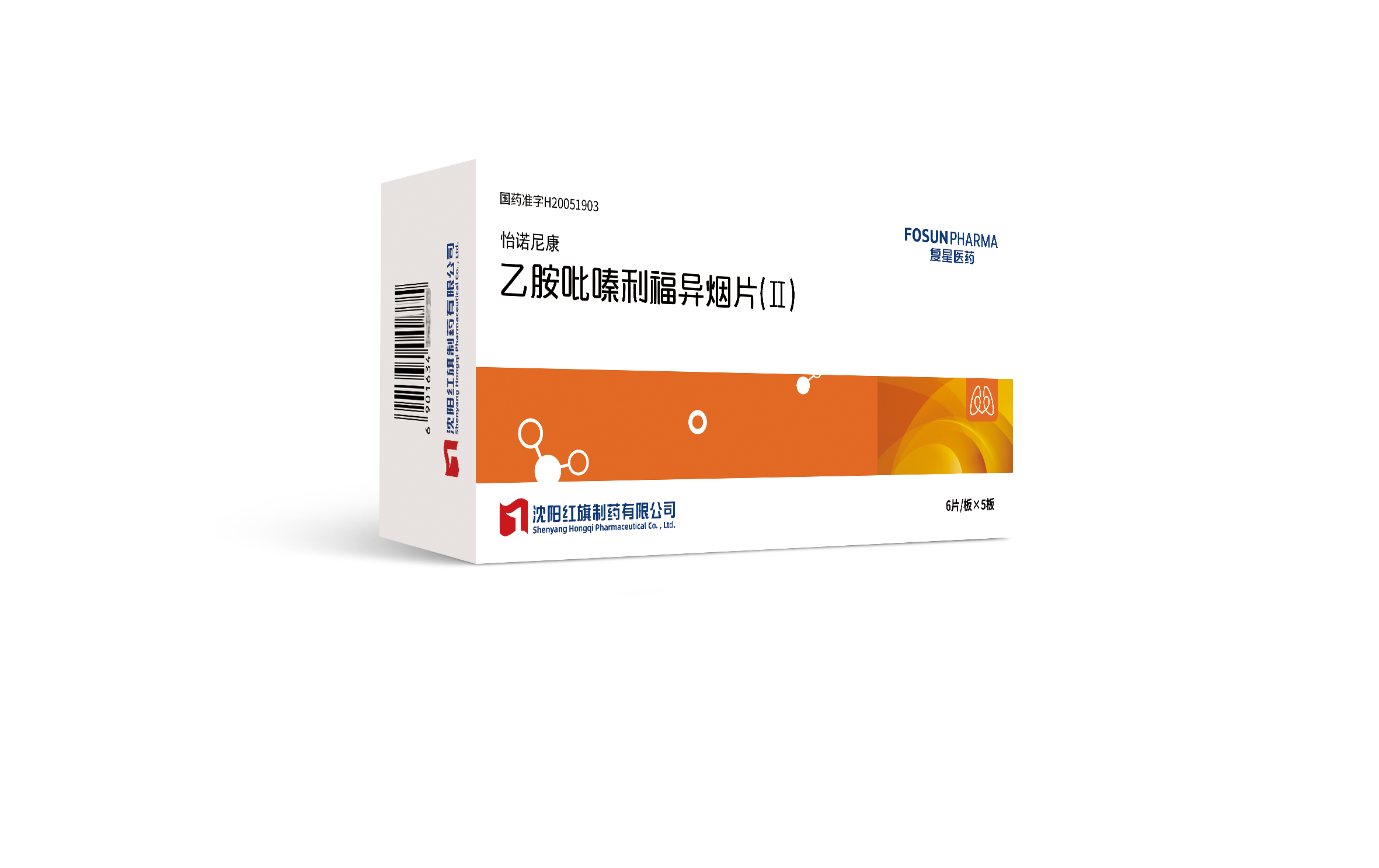 |
Rifamycin + isonicotinic acid derivative + pyrazinamide + ethambutol (first‑line anti‑tuberculosis FDC) |
For the initial 2‑month intensive phase of short‑course chemotherapy for pulmonary tuberculosis. The product should be taken daily during this phase. | AEs: hematologic disorders, neuropsychiatric and visual disorders, gastrointestinal reactions, skin reactions, hepatobiliary disorders, hyperuricemia/gout and other reactions associated with rifampicin, isoniazid, pyrazinamide and ethambutol. Important precautions include monitoring liver function and visual function, and avoiding use in patients with relevant contraindications stated in the package insert. Not suitable for patients weighing less than 30 kg. | Fixed‑dose combination of rifampicin, isoniazid, pyrazinamide and ethambutol. The four active ingredients act against Mycobacterium tuberculosis through different mechanisms, including inhibition of mycobacterial RNA synthesis, mycolic‑acid/cell‑wall synthesis and other essential metabolic processes. The active ingredients have antimycobacterial activity against Mycobacterium tuberculosis. |
Formulation: Film‑coated fixed‑dose combination tablet. Each tablet contains rifampicin 150 mg, isoniazid 75 mg, pyrazinamide 400 mg and ethambutol hydrochloride 275 mg. Dosage: Once daily according to body weight: ‑ 30–37 kg: 2 tablets ‑ 38–54 kg: 3 tablets ‑ 55–70 kg: 4 tablets ‑ Above 70 kg: 5 tablets The tablets should be taken as a single daily dose. Route of administration: Oral. |
Regulatory Status: Chinese drug approval number: Guo Yao Zhun Zi H20061903. Manufacturing Facility Standards: Hongqi Pharma's six production lines comply with GMP requirements. The company has certified management systems covering ISO 9001 (quality), ISO 14001 (environmental), ISO 45001 (occupational health and safety), and ISO 50001 (energy management). A tuberculosis‑medicine production line has also been built in accordance with WHO Prequalification (WHO PQ) standards. |
|
Hongqi Pharma Rifampin and Isoniazid Capsules (Rifampin 0.15 g + Isoniazid 0.10 g) 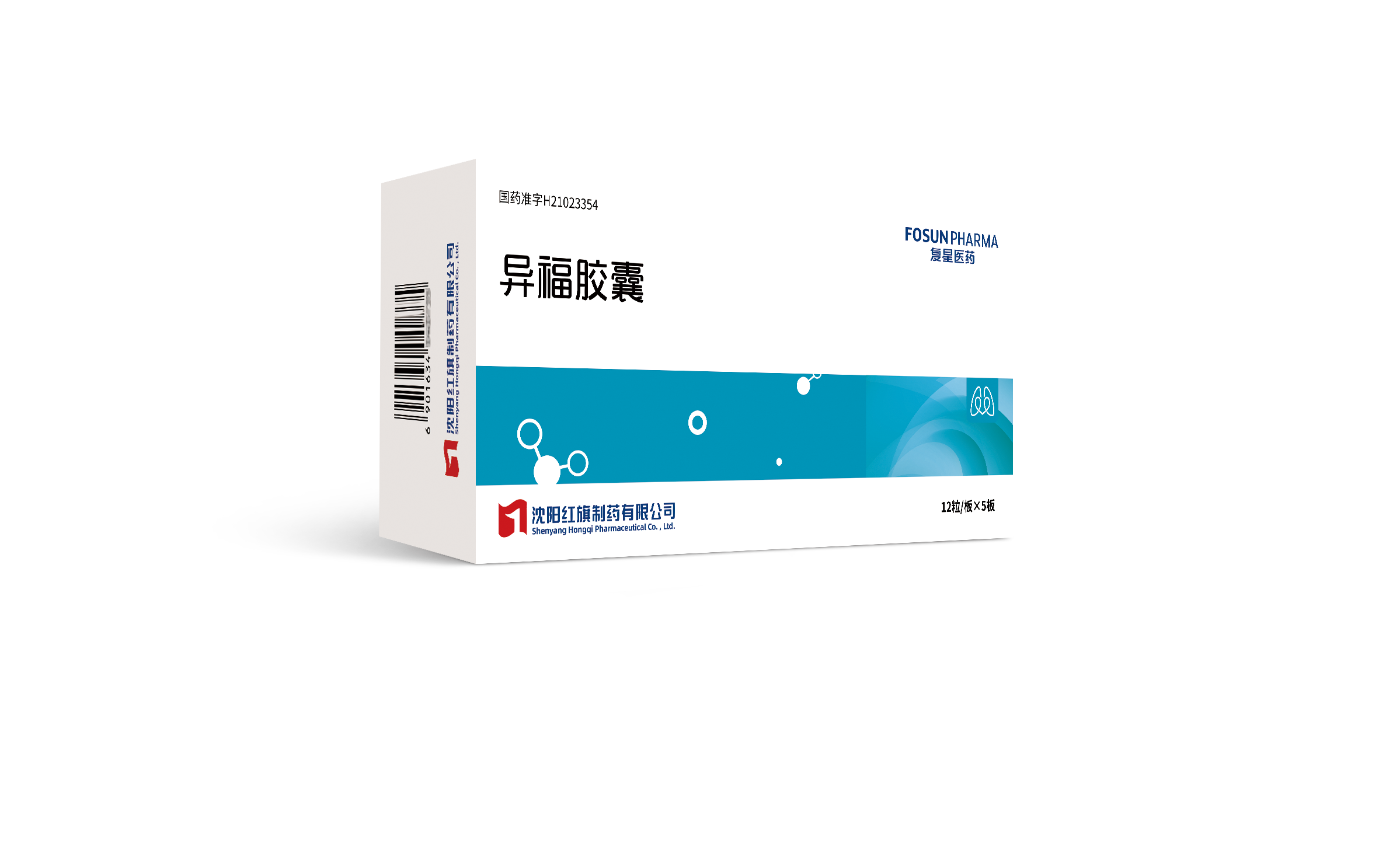 |
Rifamycin + isonicotinic acid derivative (anti‑tuberculosis combination) |
For the 4‑month continuation phase of treatment in patients with newly diagnosed tuberculosis or non‑multidrug‑resistant tuberculosis. | AEs: gastrointestinal reactions, hepatotoxicity, hypersensitivity reactions, hematologic abnormalities, peripheral neuritis and other nervous‑system reactions. Liver function should be monitored, and pyridoxine may be considered in patients at increased risk of peripheral neuropathy. | Rifampin and isoniazid have antibacterial activity against Mycobacterium tuberculosis. Rifampin acts on both intracellular and extracellular organisms, while isoniazid is bactericidal against actively dividing mycobacteria. Rifampin inhibits the DNA‑dependent RNA polymerase of Mycobacterium tuberculosis and thereby suppresses bacterial RNA synthesis. Isoniazid inhibits the synthesis of mycolic acids in the mycobacterial cell wall. |
Formulation: Capsules. Each capsule contains rifampin 0.15 g and isoniazid 0.10 g. Dosage: For adults weighing less than 50 kg: 3 capsules once daily, providing rifampin 0.45 g and isoniazid 0.30 g per dose. Route of administration: Oral. |
Regulatory Status: Chinese drug approval number: Guo Yao Zhun Zi H21023354. Manufacturing Facility Standards: Hongqi Pharma's six production lines comply with GMP requirements. The company has certified management systems covering ISO 9001 (quality), ISO 14001 (environmental), ISO 45001 (occupational health and safety), and ISO 50001 (energy management). A tuberculosis‑medicine production line has also been built in accordance with WHO Prequalification (WHO PQ) standards. |
|
Hongqi Pharma Pretomanid Tablets (200 mg) 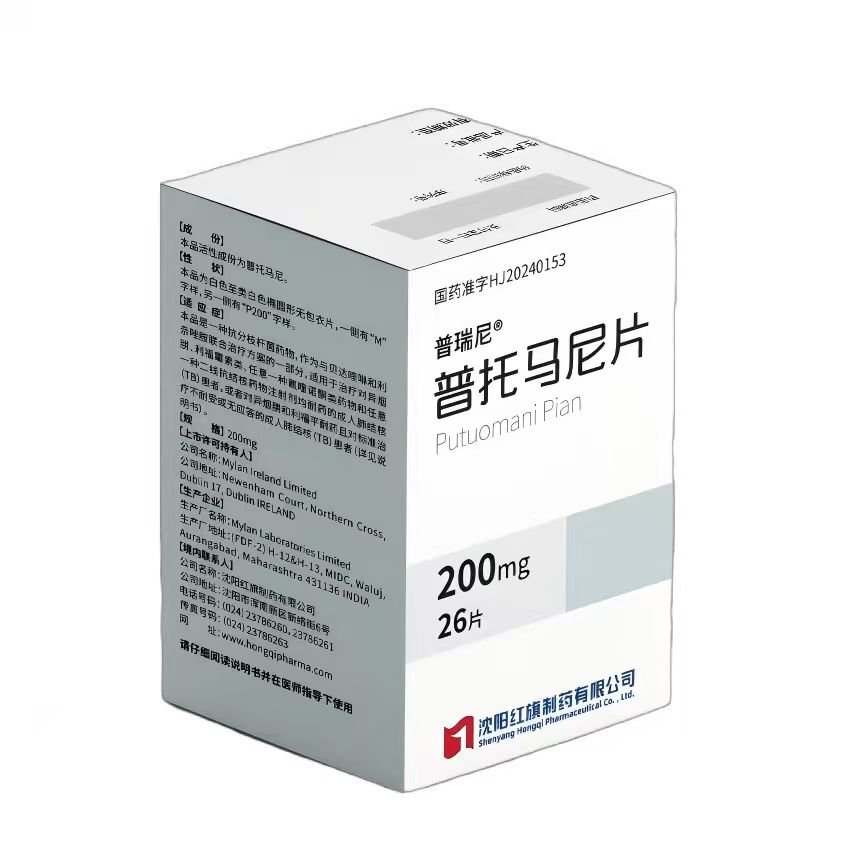 |
Nitroimidazooxazine antimycobacterial | As part of a combination regimen with bedaquiline and linezolid for the treatment of adult pulmonary tuberculosis caused by Mycobacterium tuberculosis that is resistant to isoniazid, rifamycins, any fluoroquinolone and at least one second‑line injectable anti‑TB drug, or adults with isoniazid‑ and rifampicin‑resistant pulmonary TB who are intolerant of or non‑responsive to standard treatment. | Common AEs: nausea, vomiting, elevated transaminases. Important risks: hepatotoxicity, QT prolongation (with bedaquiline), myelosuppression, peripheral/optic neuropathy (mainly linezolid‑related). |
Nix‑TB trial: favorable outcome 90% at 6 months after the end of treatment. ZeNix trial: favorable outcome 93% in the linezolid 600 mg/24‑week group. In vitro activity: Active against the M. tuberculosis complex. Baseline MIC in clinical isolates: 0.06–1 μg/mL. Mechanism: Nitroimidazooxazine antimycobacterial. After Ddn/F420‑dependent activation, pretomanid inhibits mycolic‑acid biosynthesis in actively replicating M. tuberculosis and releases reactive nitrogen species under anaerobic conditions, contributing to activity against non‑replicating bacilli. |
Formulation: 200 mg uncoated oval tablet. Dosage: Pretomanid 200 mg orally once daily for 26 weeks with bedaquiline and linezolid; take with food. Route of administration: Oral. Co‑administration: Must be co‑administered with bedaquiline and linezolid. |
Regulatory Status: Approved in China on 1 December 2024 for the restricted indication described in the current Chinese label. Manufacturing Facility Standards: Hongqi Pharma's six production lines comply with GMP requirements. The company has certified management systems covering ISO 9001 (quality), ISO 14001 (environmental), ISO 45001 (occupational health and safety), and ISO 50001 (energy management). A tuberculosis‑medicine production line has also been built in accordance with WHO Prequalification (WHO PQ) standards. |
|
Hongqi Pharma Bedaquiline Fumarate Tablets (100 mg) 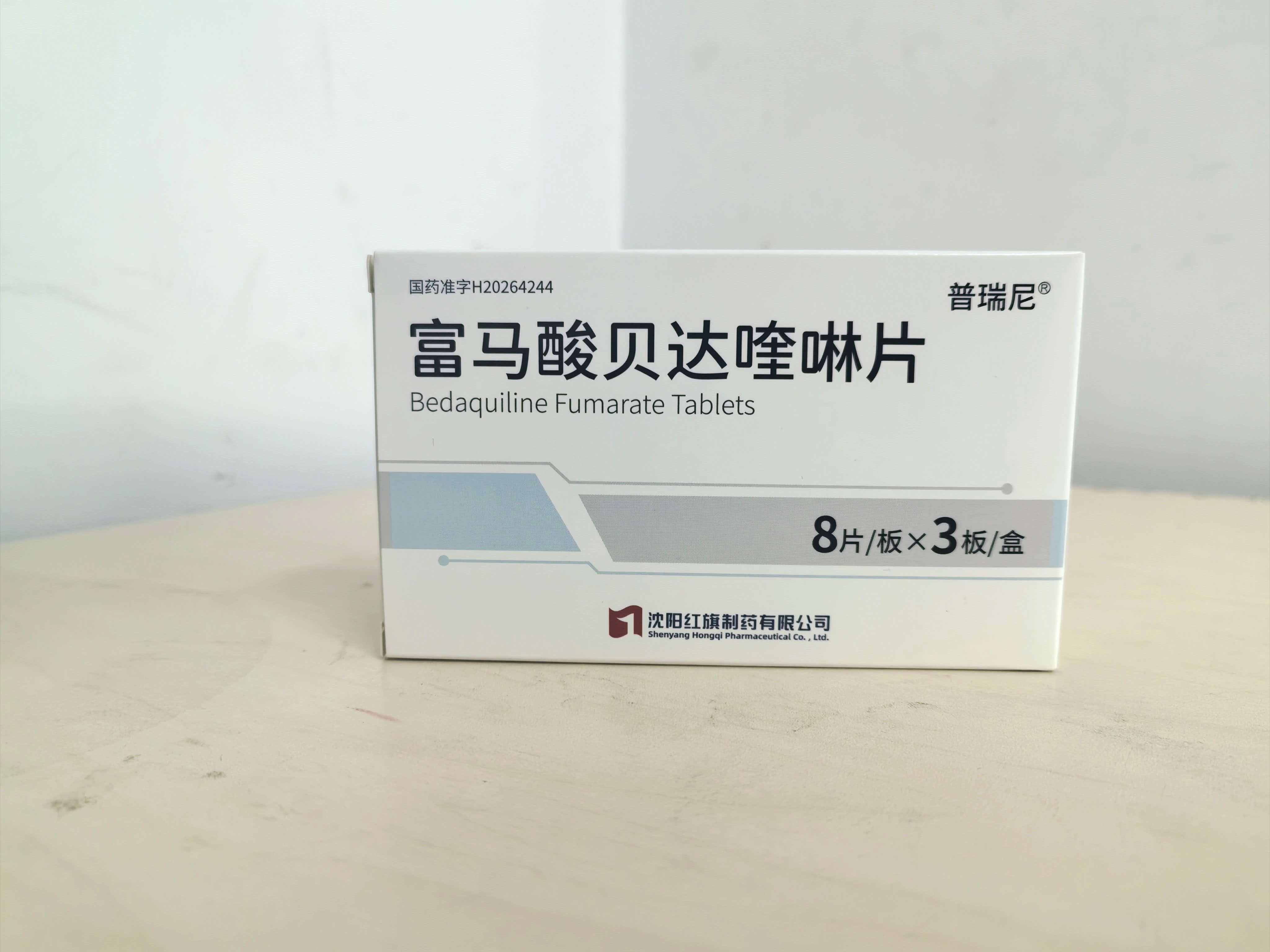 |
Diarylquinoline antimycobacterial | As part of an appropriate combination regimen for the treatment of pulmonary tuberculosis caused by Mycobacterium tuberculosis resistant to at least rifampicin and isoniazid in adults and adolescents aged 12 to <18 years and weighing ≥30 kg. It should be used only when an otherwise effective treatment regimen cannot be provided. |
Most common AEs in adult clinical studies: nausea, arthralgia, headache, haemoptysis and chest pain. Important identified risks: QTc prolongation, hepatotoxicity, an imbalance in mortality observed in one placebo‑controlled trial, and drug interactions mediated by CYP3A4. Treatment should be discontinued if clinically significant ventricular arrhythmia occurs or QTc exceeds 500 ms on repeat ECG. |
In Study 1, bedaquiline added to a background regimen shortened the median time to sputum culture conversion at Week 24 compared with placebo (83 days versus 125 days) and increased the proportion of patients with culture conversion. In vitro activity: Active against most M. tuberculosis isolates in vitro and in clinical infection. Susceptibility testing may use 7H9 broth microdilution or agar methods over a concentration range of 0.008–2.0 μg/mL. Mechanism: Diarylquinoline antimycobacterial agent that inhibits mycobacterial ATP synthase by binding to subunit c, thereby disrupting the energy generation required by M. tuberculosis. |
Formulation: Bedaquiline fumarate tablets, 100 mg (expressed as bedaquiline). White to off‑white tablets. Blister pack: 8 tablets per blister, 3 blisters per carton. Dosage: 400 mg orally once daily for the first 2 weeks, followed by 200 mg orally three times per week for the next 22 weeks, with at least 48 hours between doses. Total treatment duration: 24 weeks. Route of administration: Oral. Swallow the tablet whole with water and take with food. Co‑administration: Use only in combination with other antimycobacterial agents. Combine with at least three drugs to which the patient's isolate is susceptible. |
Regulatory Status: Chinese drug approval number: Guo Yao Zhun Zi H20264244. Manufacturing Facility Standards: Hongqi Pharma's six production lines comply with GMP requirements. The company has certified management systems covering ISO 9001 (quality), ISO 14001 (environmental), ISO 45001 (occupational health and safety), and ISO 50001 (energy management). A tuberculosis‑medicine production line has also been built in accordance with WHO Prequalification (WHO PQ) standards. |
MicuRx Pharma’s Contezolid Tablets 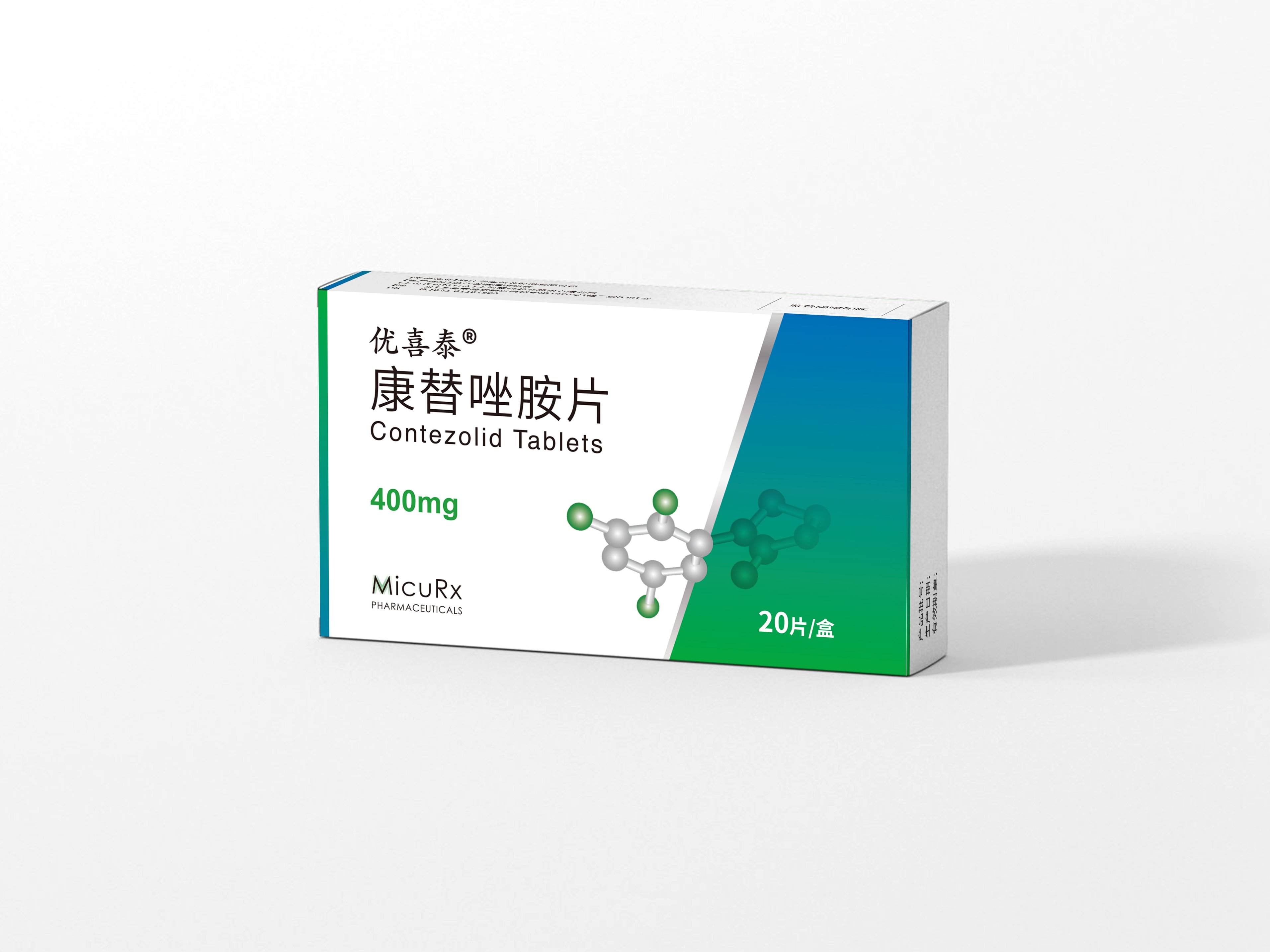 |
Oxazolidinones | complicated skin and soft tissue infections caused by the following susceptible organisms: Staphylococcus aureus (including methicillin‑susceptible and methicillin‑resistant strains), Streptococcus pyogenes, or Streptococcus agalactiae. |
AEs: gastrointestinal reactions (nausea, vomiting, and diarrhea), transient elevations in liver function tests (ALT, AST, and bilirubin), asymptomatic uric acid elevation, and hypersensitivity reactions. In clinical trials, contezolid demonstrated a favorable hematologic safety profile. The product is contraindicated in patients with known hypersensitivity to oxazolidinones or to any component of the formulation. Research findings from the six‑month novel CODA regimen (containing contezolid, delamanid, bedaquiline and fluoroquinolones)trial indicate that the proportion of patients with any adverse event (AE) was 38.32% in the contezolid‑containing CODA group and 67.62% in the linezolid group. |
Contezolid inhibits bacterial growth by preventing the formation of the functional 70S initiation complex, which is essential for bacterial protein synthesis. It can be used for the treatment of infections caused by aerobic Gram‑positive bacteria, and its in vitro antibacterial spectrum also includes certain anaerobic bacteria. In vitro studies demonstrate that contezolid exhibits activity against Mycobacterium tuberculosis comparable to linezolid. An early bactericidal activity (EBA) trial comparing contezolid (800 mg twice daily) with linezolid (600 mg once daily) in patients with newly diagnosed smear‑positive pulmonary tuberculosis revealed favorable early bactericidal activity for contezolid. Midterm data from the Cstar multicenter study on drug‑resistant tuberculosis showed that the treatment response rate was comparable between the contezolid group (40/47, 85.11%) and the linezolid group (37/47, 78.72%). The 6‑month sputum‑culture conversion rate was slightly higher in the contezolid group than in the linezolid group (80.85% versus 76.60%). Research findings from the six‑month novel CODA regimen (containing contezolid, delamanid, bedaquiline and fluoroquinolones)trial indicate that for the 6‑month treatment‑phase outcomes (investigator‑reported outcomes) of the contezolid‑containing CODA regimen group, the favourable‑outcome rate (cure plus treatment completion) reached 85.56%. The month‑2 sputum‑culture‑negative rate (per‑protocol set) stood at 87.67%, and the month‑6 sputum‑culture‑negative rate (per‑protocol set) hit 98.63%. |
Formulation: Off‑white film‑coated tablets, 400 mg per tablet. Dosage: Taken with meals or within 30 minutes after meals, at a dose of 800 mg (2 tablets) every 12 hours. The recommended course of treatment (consecutive days of therapy) is 7 to 14 days, and may be appropriately extended according to the clinical condition. The total duration of treatment may be determined by the attending physician based on the site and severity of infection, as well as the patient's response to therapy. Based on limited evidence, the pediatric reference dosage of contezolid is as follows (oral administration, every 12 hours, taken within 30 minutes after meals): • Body weight ≥50 kg, 12 years ≤ age < 18 years: 800 mg; • 35 kg ≤ body weight < 50 kg, 6 years ≤ age < 18 years: 600 mg; • 20 kg ≤ body weight < 35 kg, 6 years ≤ age < 12 years: 400 mg; • Body weight < 20 kg or age under 6 years: dosed at 12–20 mg/kg. Route of administration: Oral. |
Regulatory Status: Chinese National Drug Approval Number (Guo Yao Zhun Zi): H20210019. Manufacturing Facility Standards: current Good Manufacturing Practice (cGMP). |