
The 2nd Sino UK Training Workshop on Tuberculosis Clinical Research Methodology and Implementation for China’s Young Investigators Successfully Held in Beijing-Align to Realities, Empowered by Methods: Seeding of Pragmatic Trials in China
In the golden month of October, widoms from both the UK and China gathered in Beijing. From 23‑25 October 2026, the 2nd Sino UK Training Workshop on Tuberculosis Clinical Research Methodology and Implementation for China’s Young Investigators took place in Beijing. The training workshop was co‑hosted by the Innovation Alliance on Tuberculosis Diagnosis and Treatment (Beijing, IATB) and the UCL Centre for Global Tuberculosis Research (UCL‑TB), with Beijing Chest Hospital, Capital Medical University and its Clinical Center for Tuberculosis Prevention and Control as co-organizers. It brought together top Chinese and British TB clinical‑research specialists to give lectures to young‑ and middle‑career backbone researchers nationwide. Serving as a high‑level, hands‑on international academic platform, the event supports the development of high‑quality clinical‑research consortia for TB in China and generates high‑level evidence to advance the 2035 goal of End TB target.
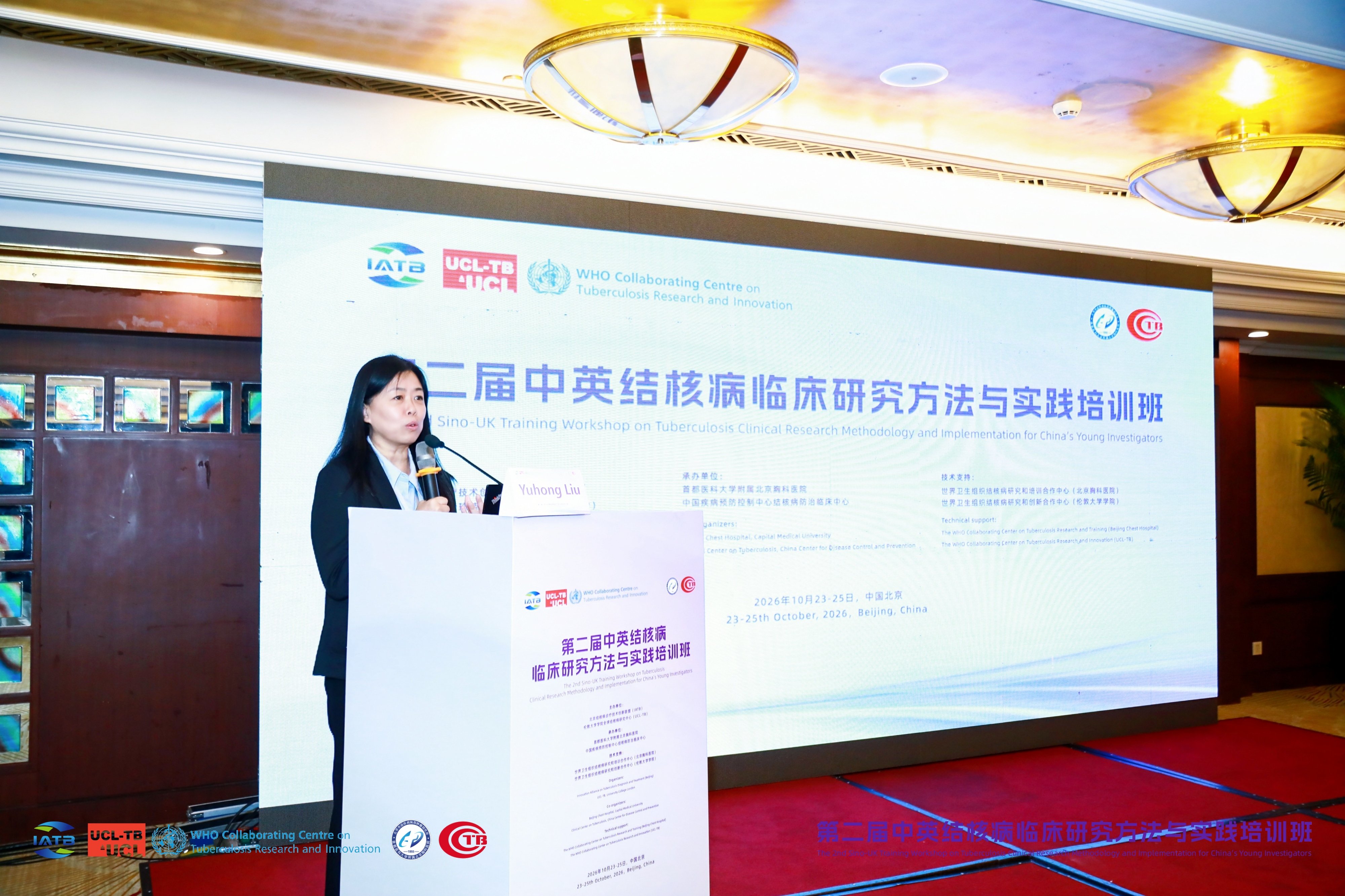
Prof. Yuhong Liu, Chair of IATB, delivered opening remarks. She noted that TB remains a major public‑health challenge in China. Amid high disease burden and limited resources, high‑quality, patient‑centred real‑world clinical evidence is urgently needed to facilitate roll‑out of innovative diagnostic, therapeutic and preventive tools as well as management strategies. The inaugural workshop was held in Guangzhou last year, and its ‘lecture plus group discussion’ format won positive feedback from Sino‑UK experts and participants. Addressing real‑world bottlenecks faced by domestic researchers, this second edition focused on challenging topics including control‑group selection, endpoint definition and bias mitigation, aiming to cultivate local young‑ and middle‑career TB researchers with global vision. Prof. Liu expressed gratitude to the UCL‑TB team, domestic faculty, China’s designated TB hospitals, members of the China TB Clinical Trials Consortium (CTCTC) and co‑organiser Beijing Chest Hospital, and wished all participants a fruitful learning and exchange experience.
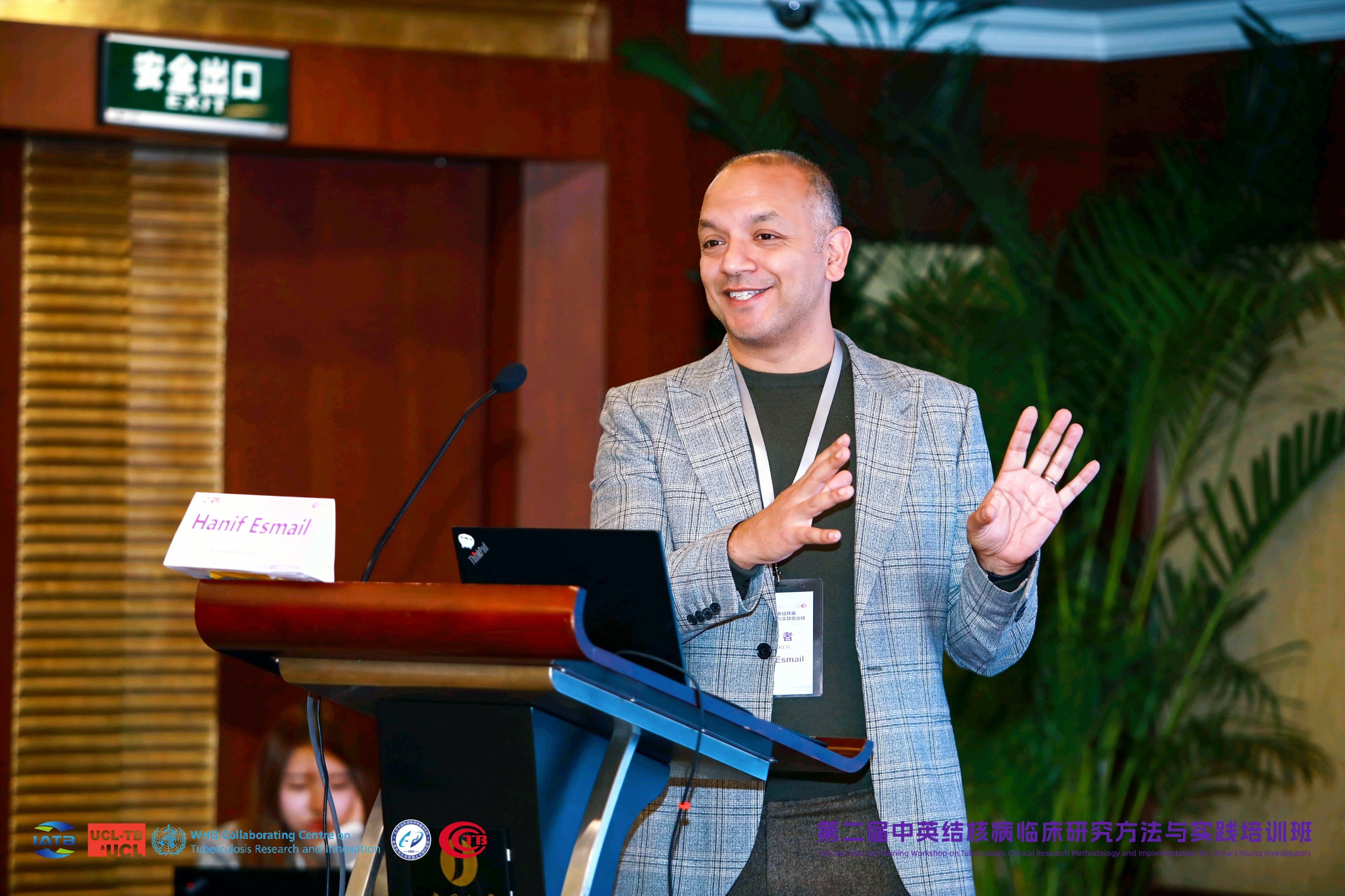
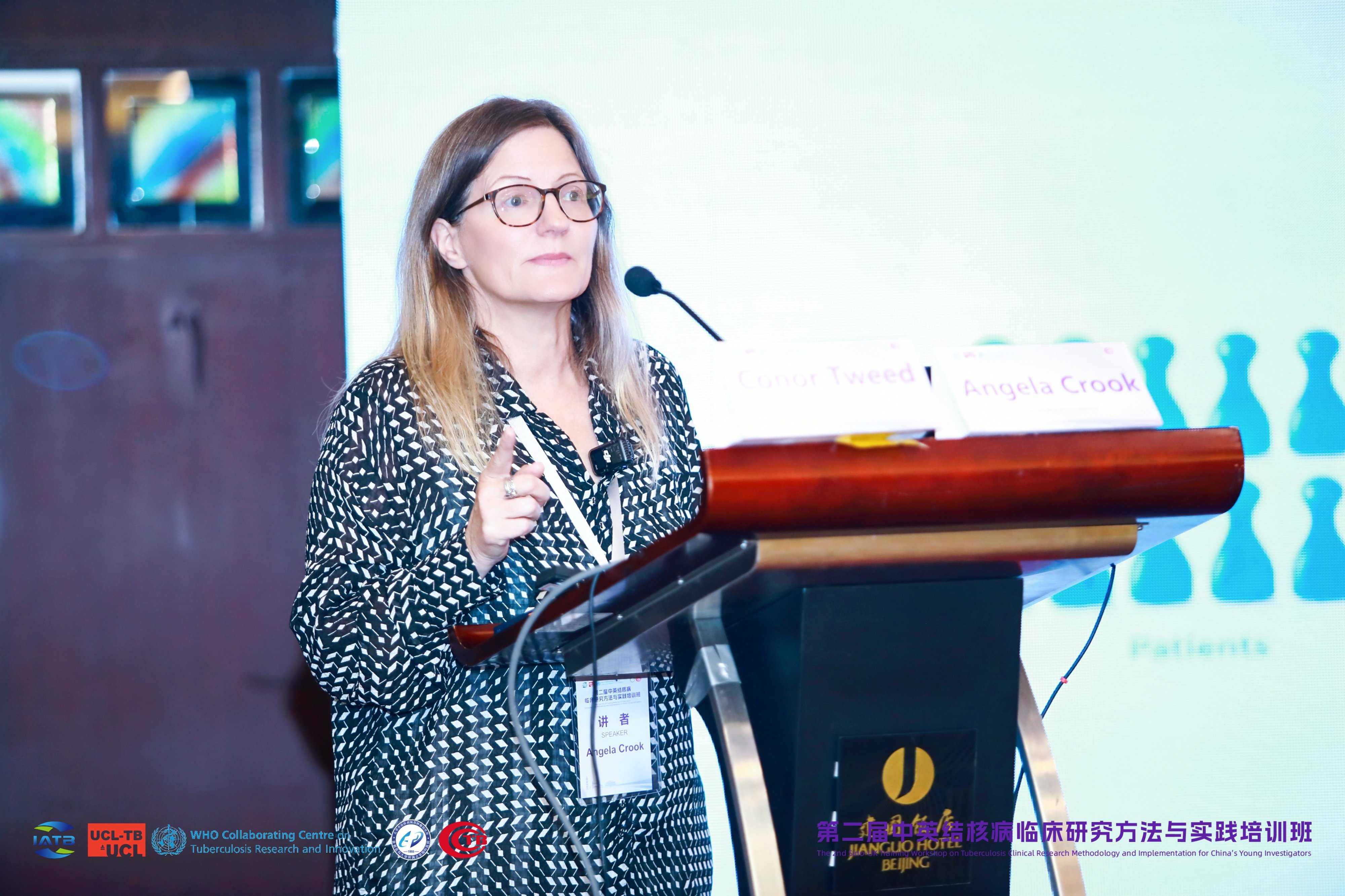
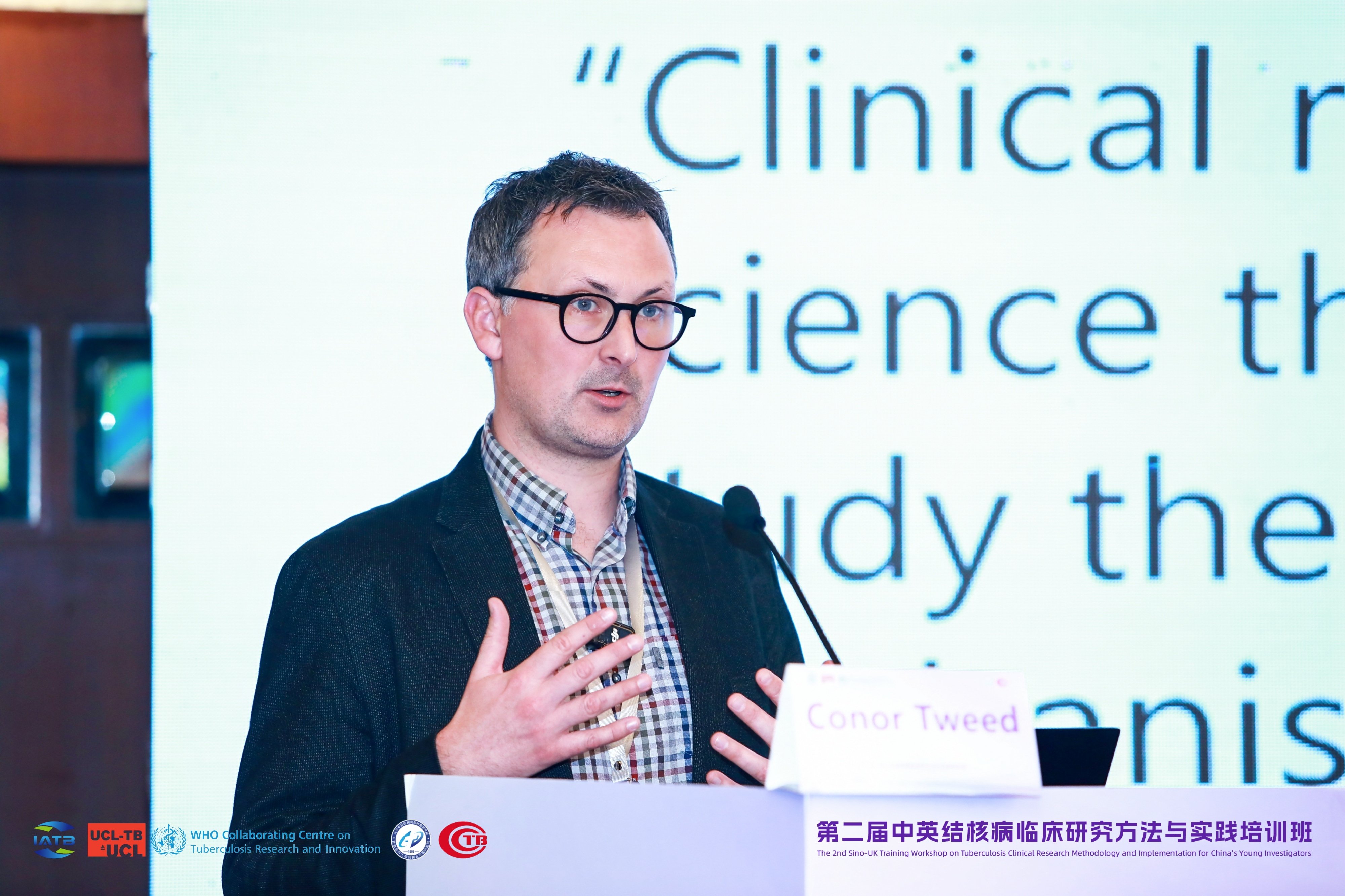
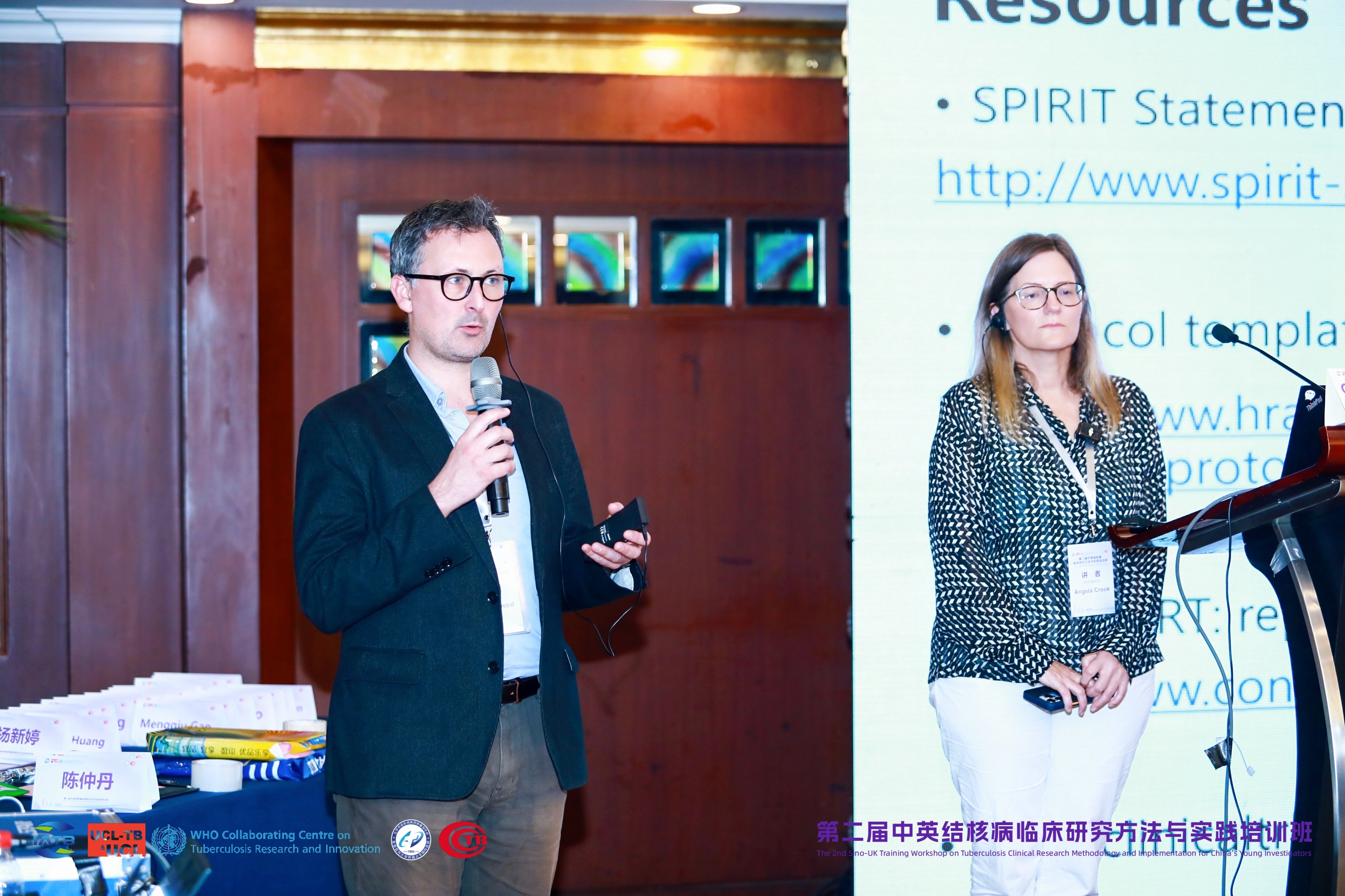
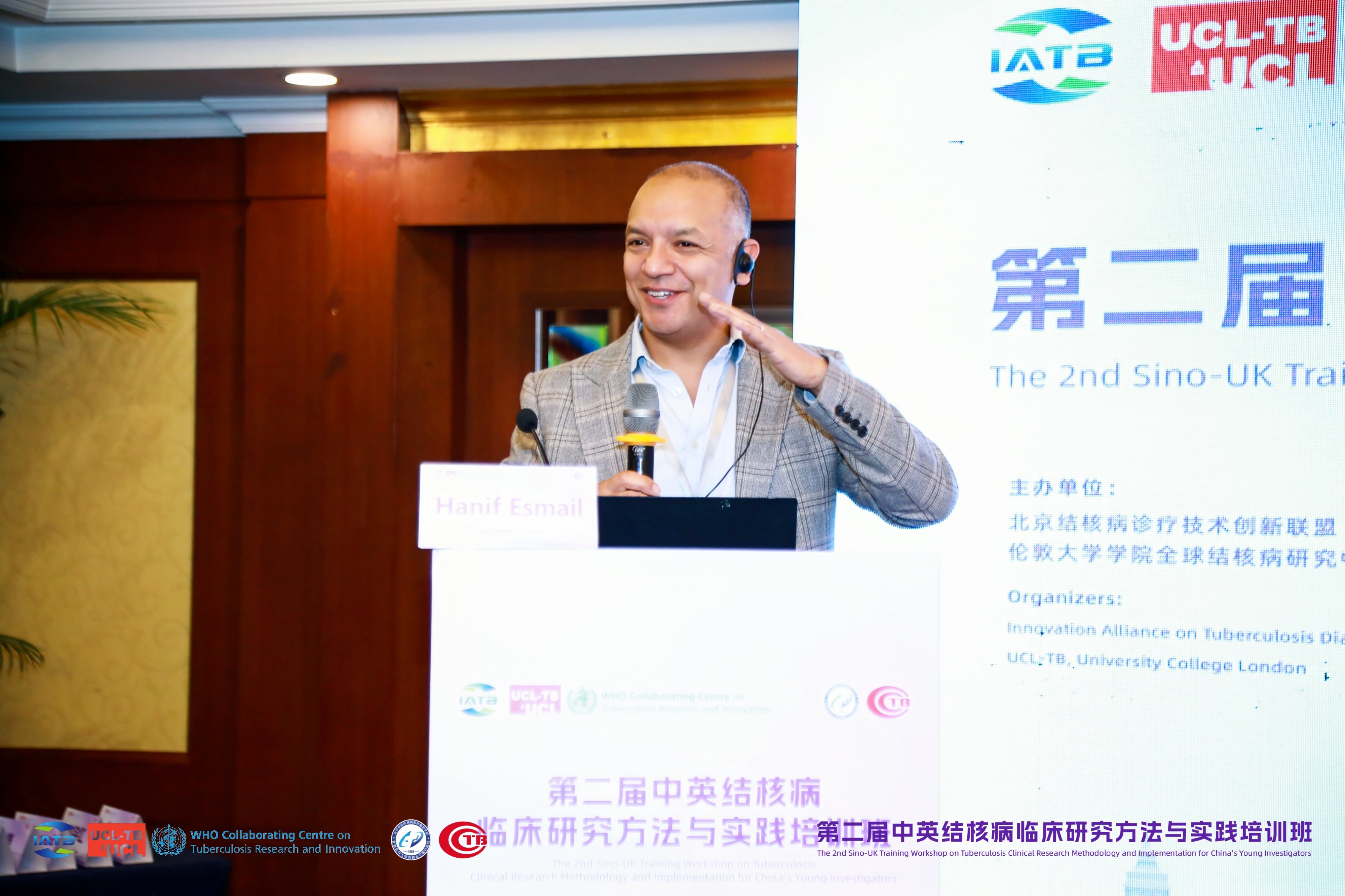
The workshop assembled a distinguished faculty of leading Chinese and British experts in clinical‑research methodology, clinical epidemiology, health economics, diagnostic‑test performance evaluation and real‑world operational research. The UK faculty consisted of Prof. Hanif Esmail, a consultant infectious disease physician at the UCL's Tropical Diseases Hospital, co-director of UCL-TB; Prof. Angela Crook, a professorial research fellow in medical statistics and Prof. Conor Tweed, a consultant respiratory physician from the North Middlesex Hospital London. With decades‑long expertise in TB clinical trials, they have led or participated in landmark international trials such as Nix‑TB, ReMOX, PARADIGM4TB and Radio‑TB, and contributed to the formulation and revision of WHO TB treatment guidelines. Their sessions covered randomised controlled trials, observational studies and practical lessons learnt from key TB clinical trials undertaken by the MRC’s clinical trials unit, of which they are affiliated to. Special emphasis was placed on the design, application scenarios and statistical analysis of pragmatic, adaptive and platform clinical studies. The experts highlighted that pragmatic clinical research closely aligned with front‑line practice will play an increasingly important role in future TB research.
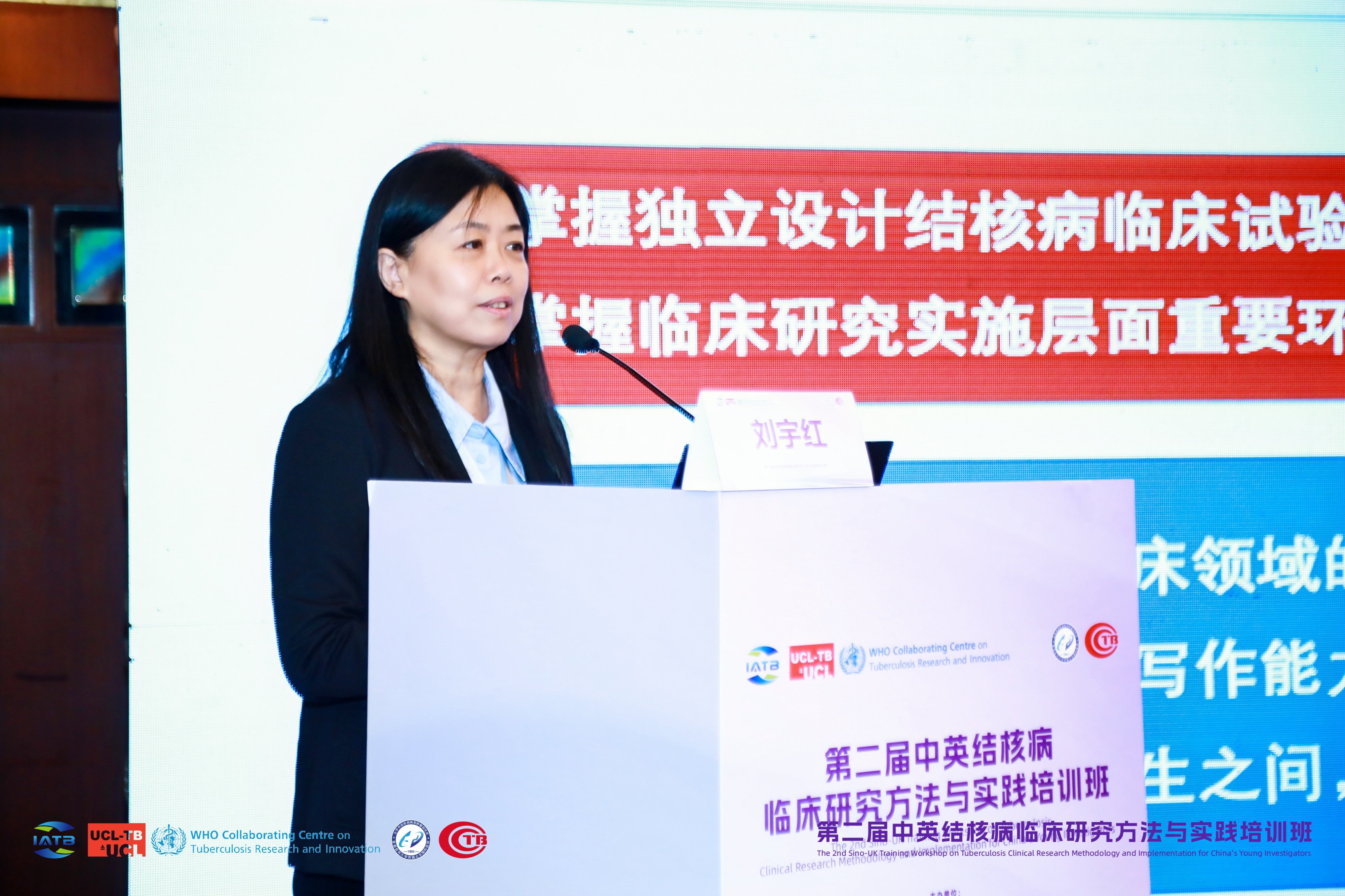
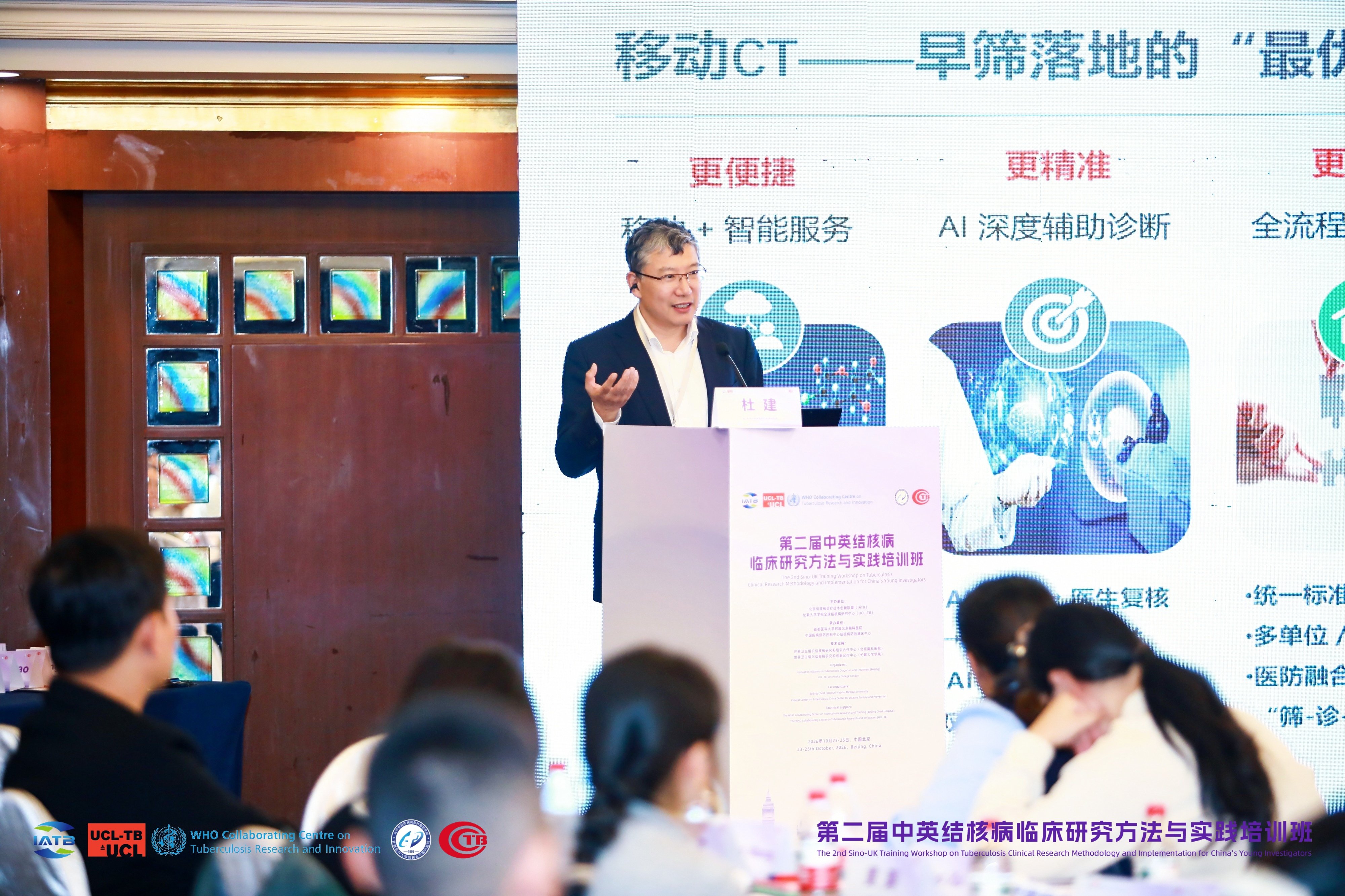
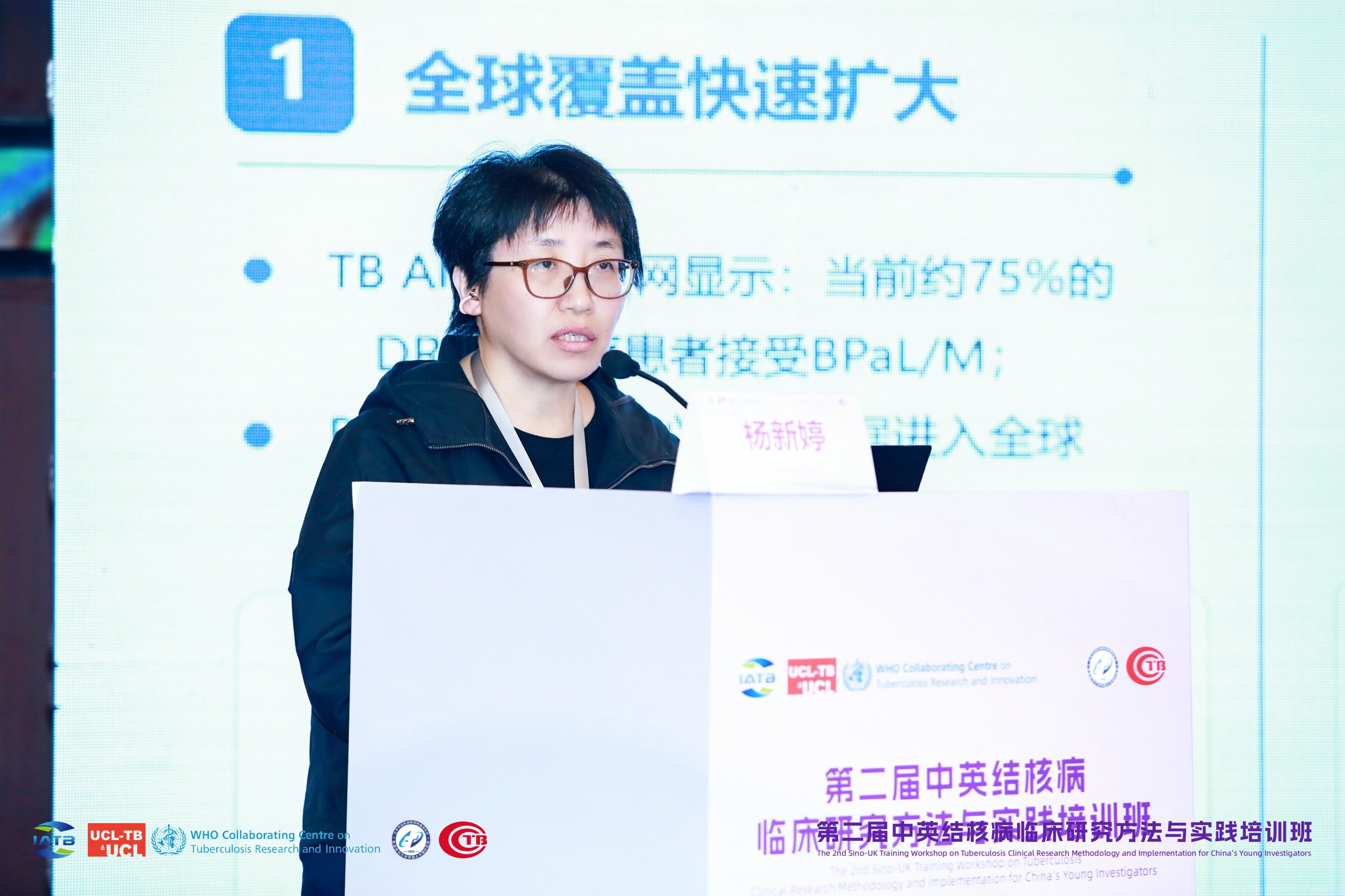
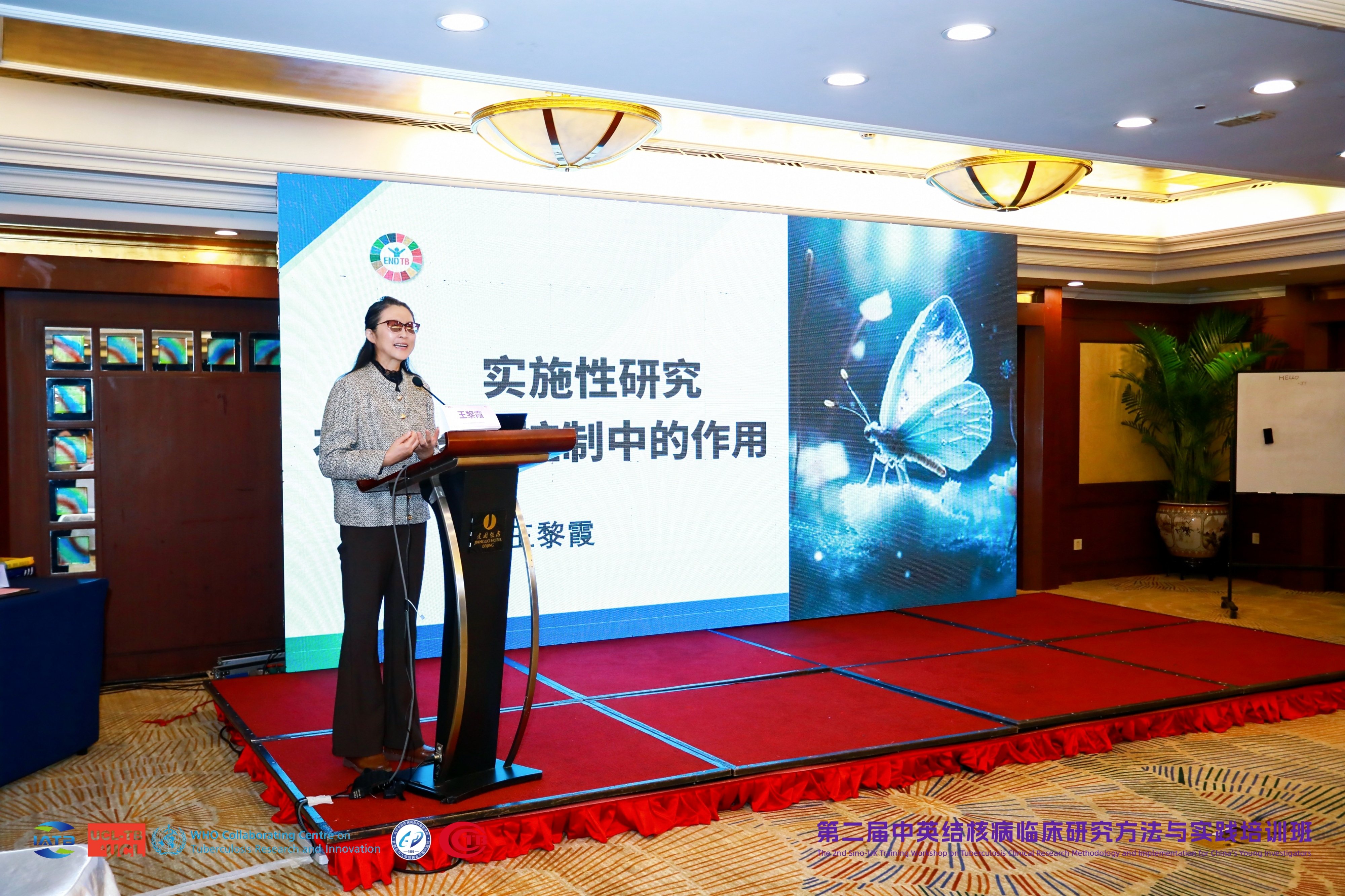
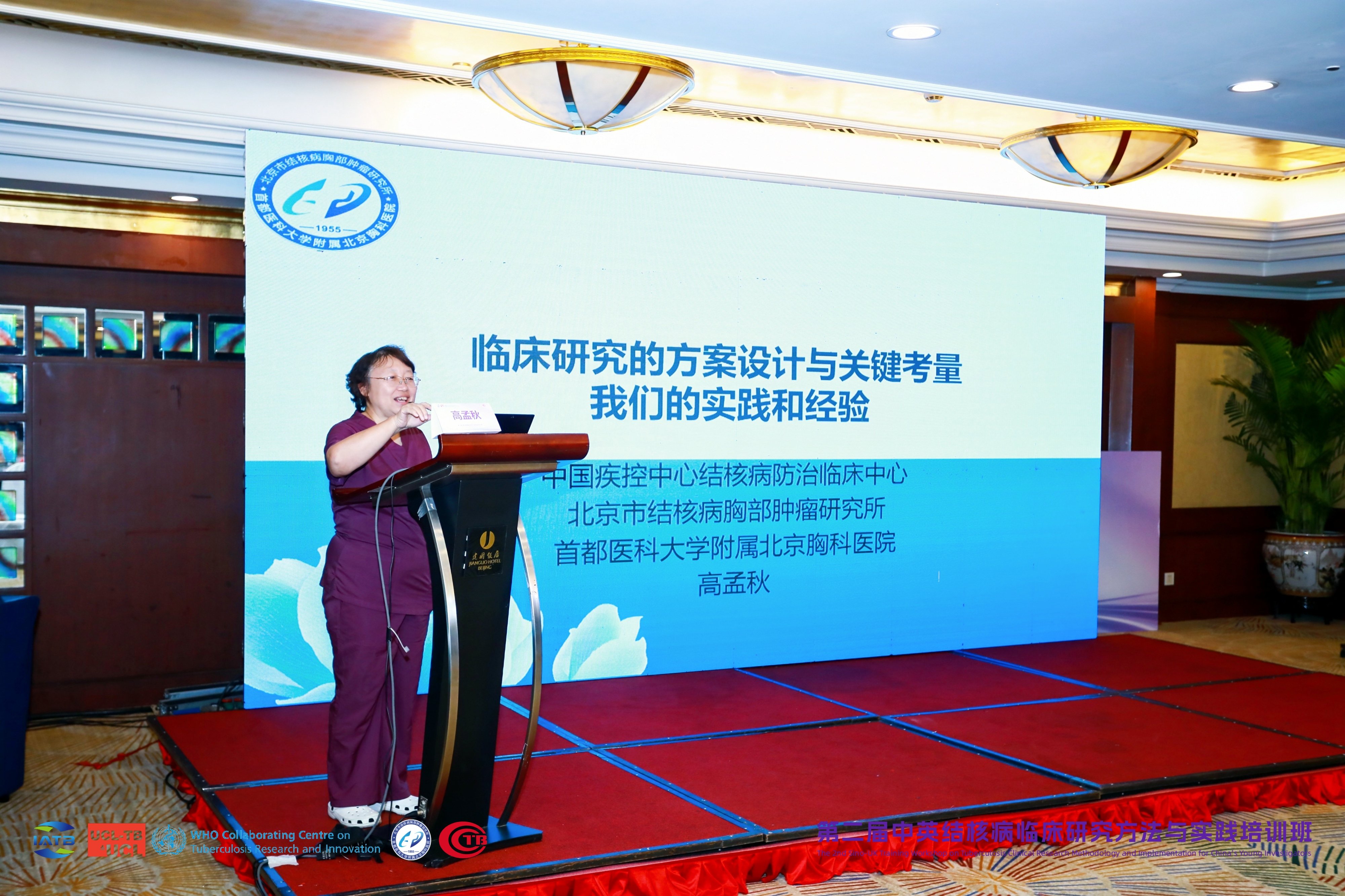
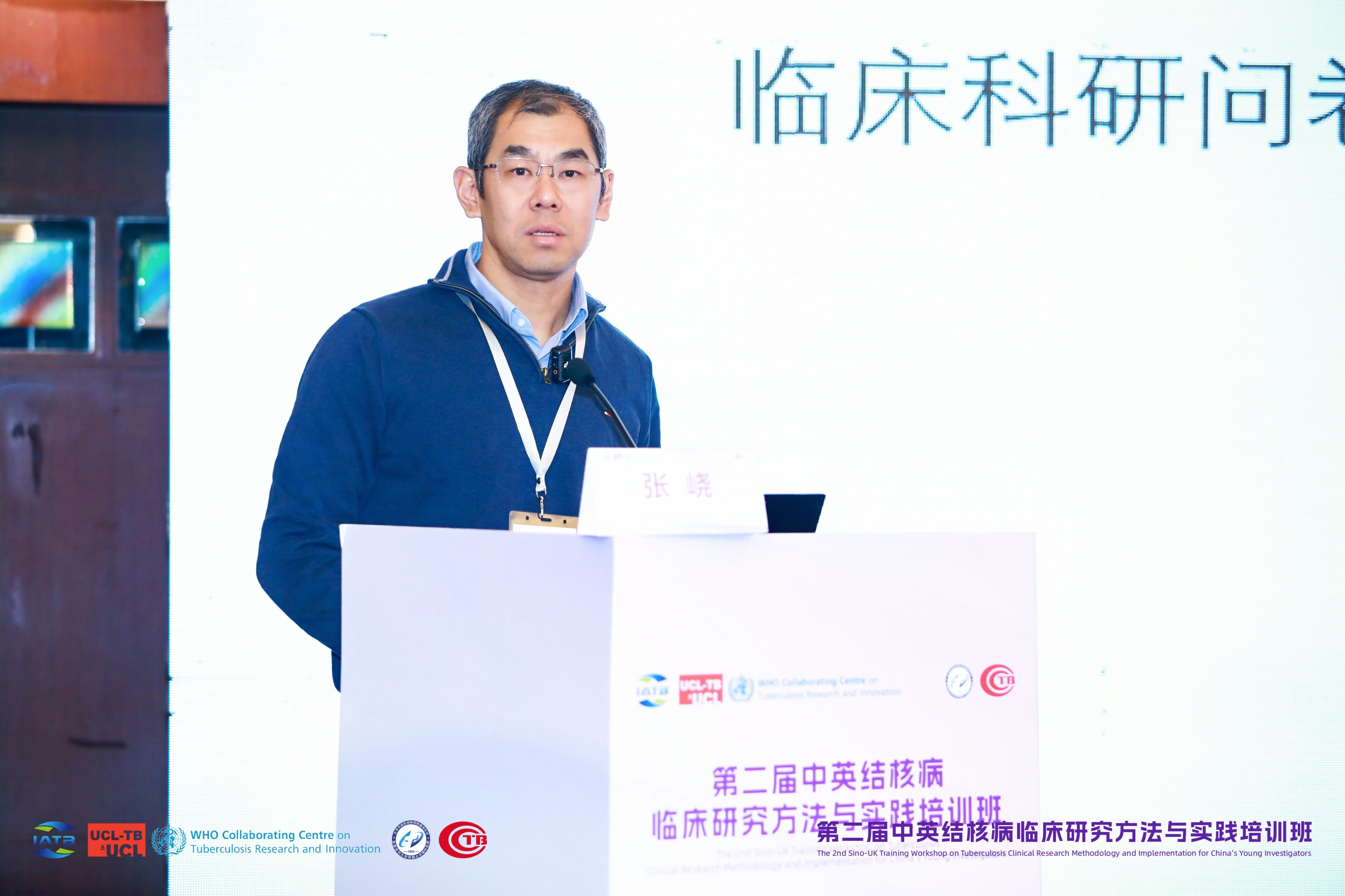
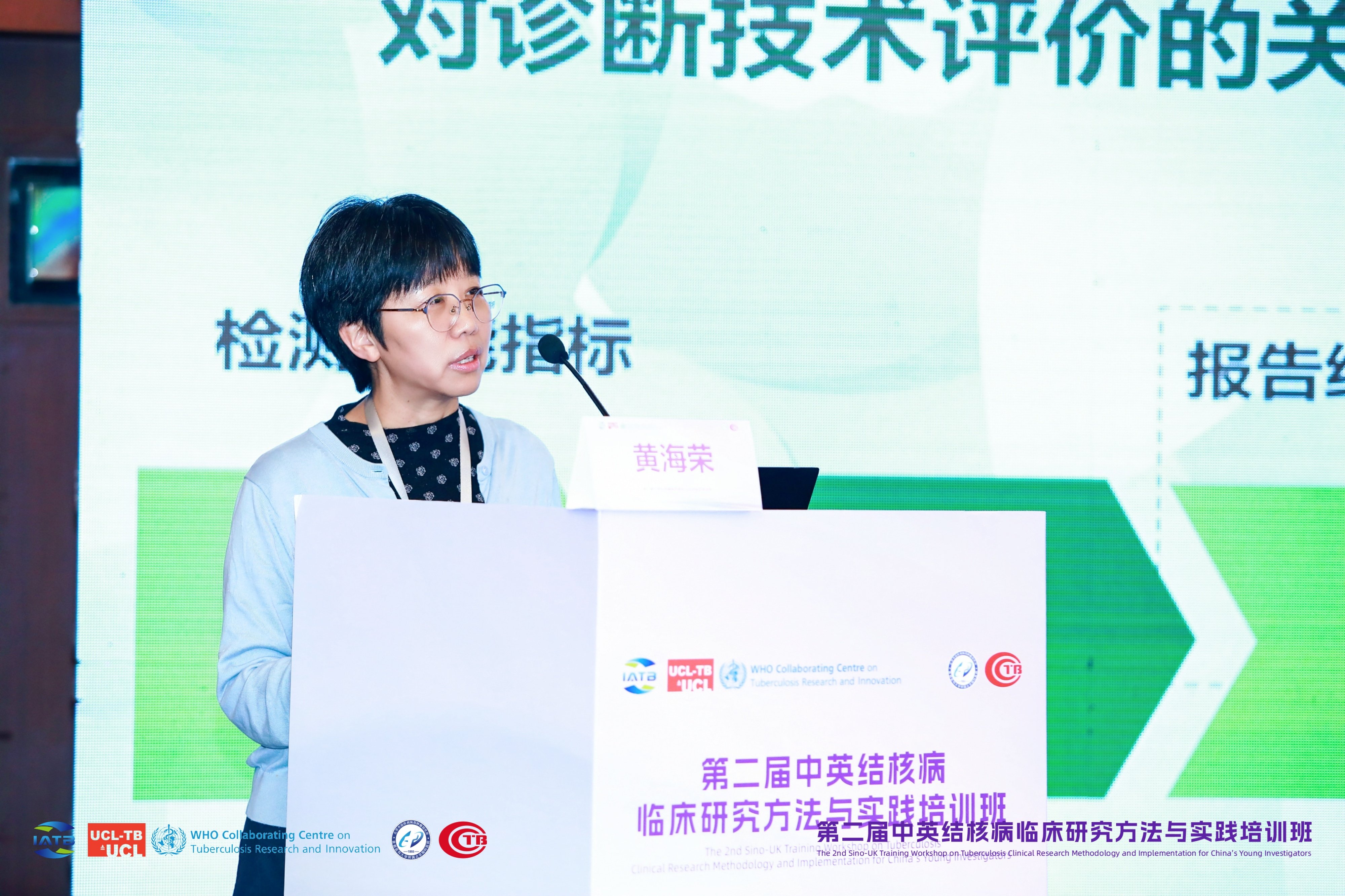
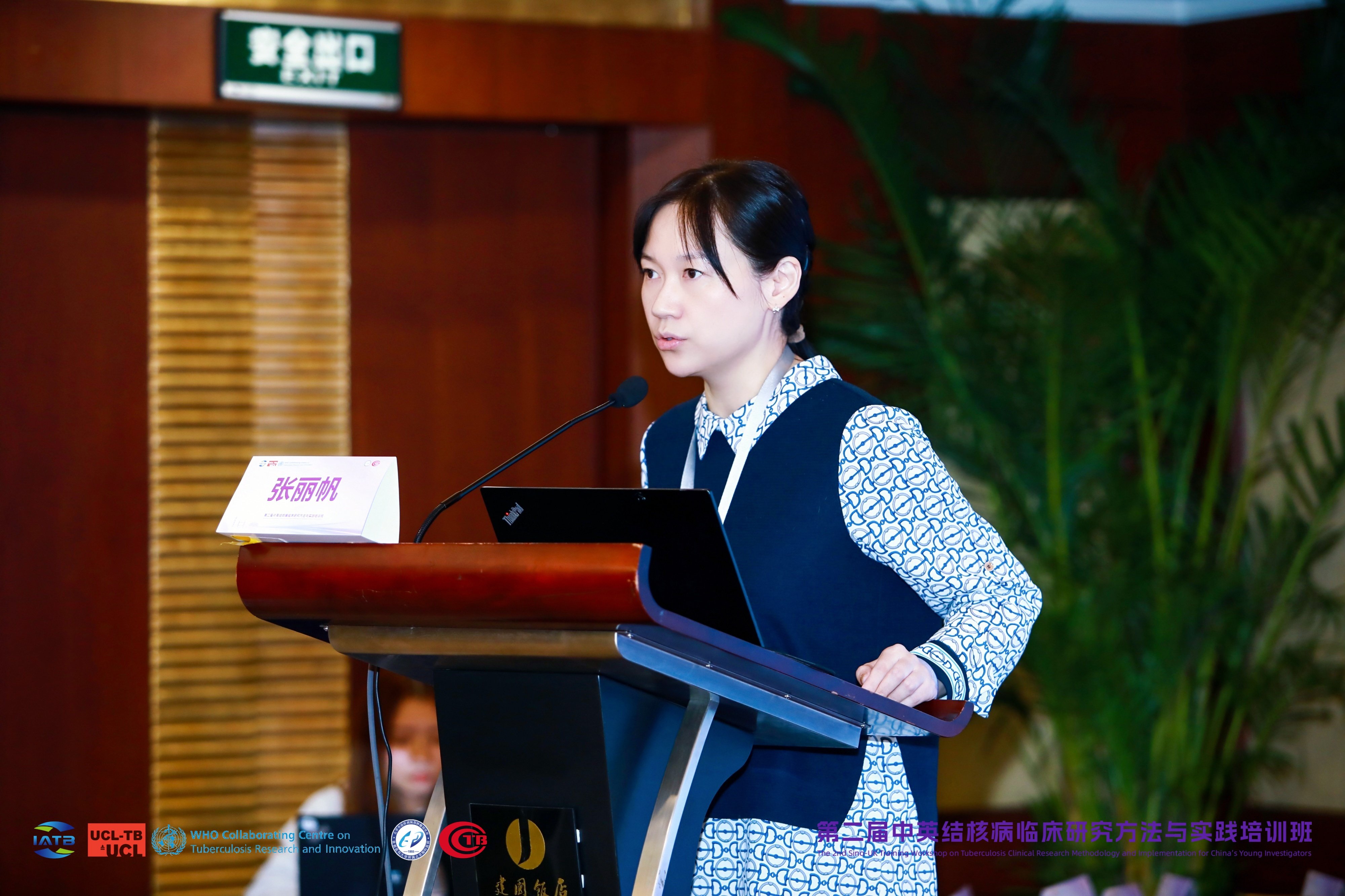
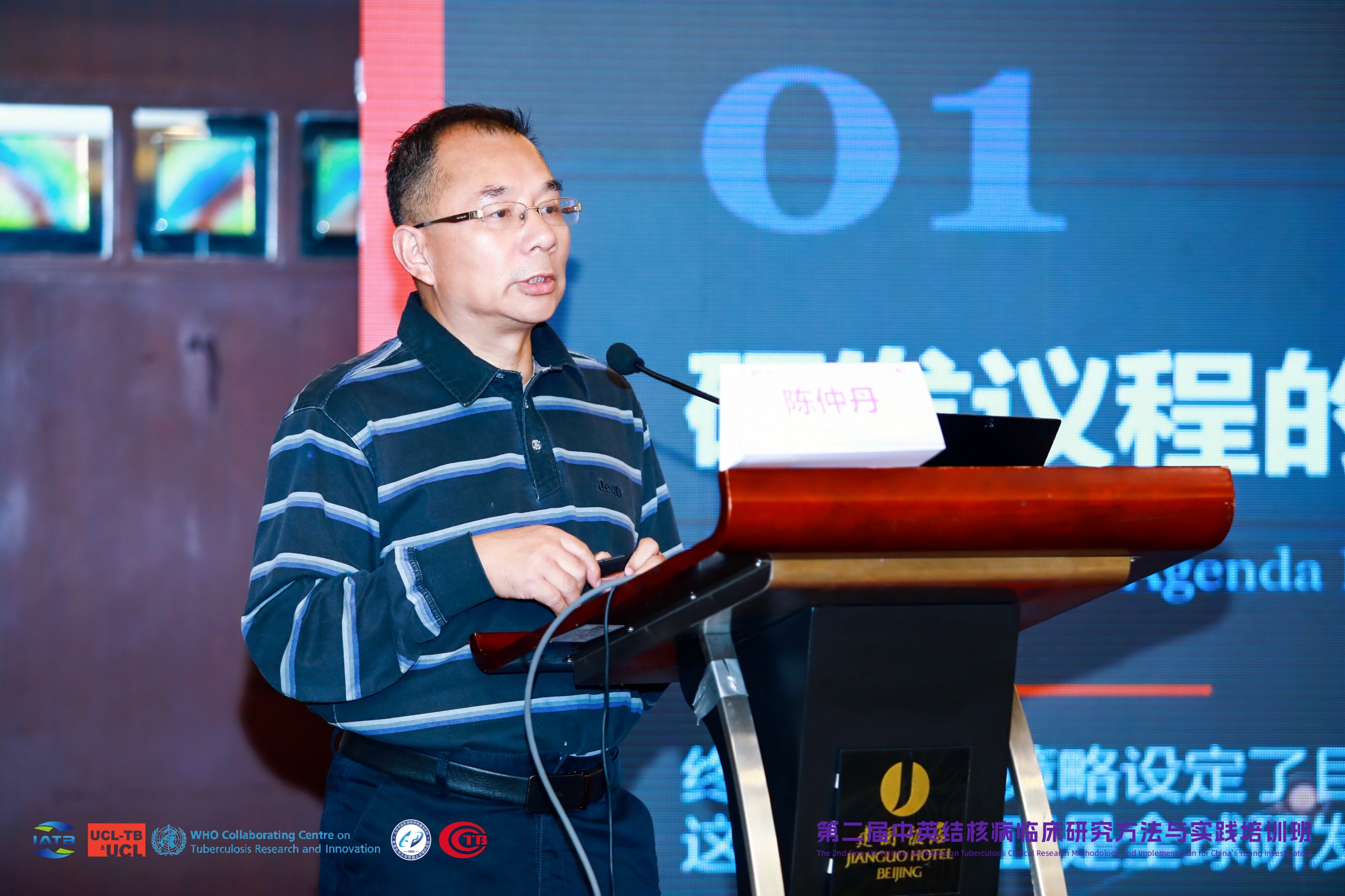
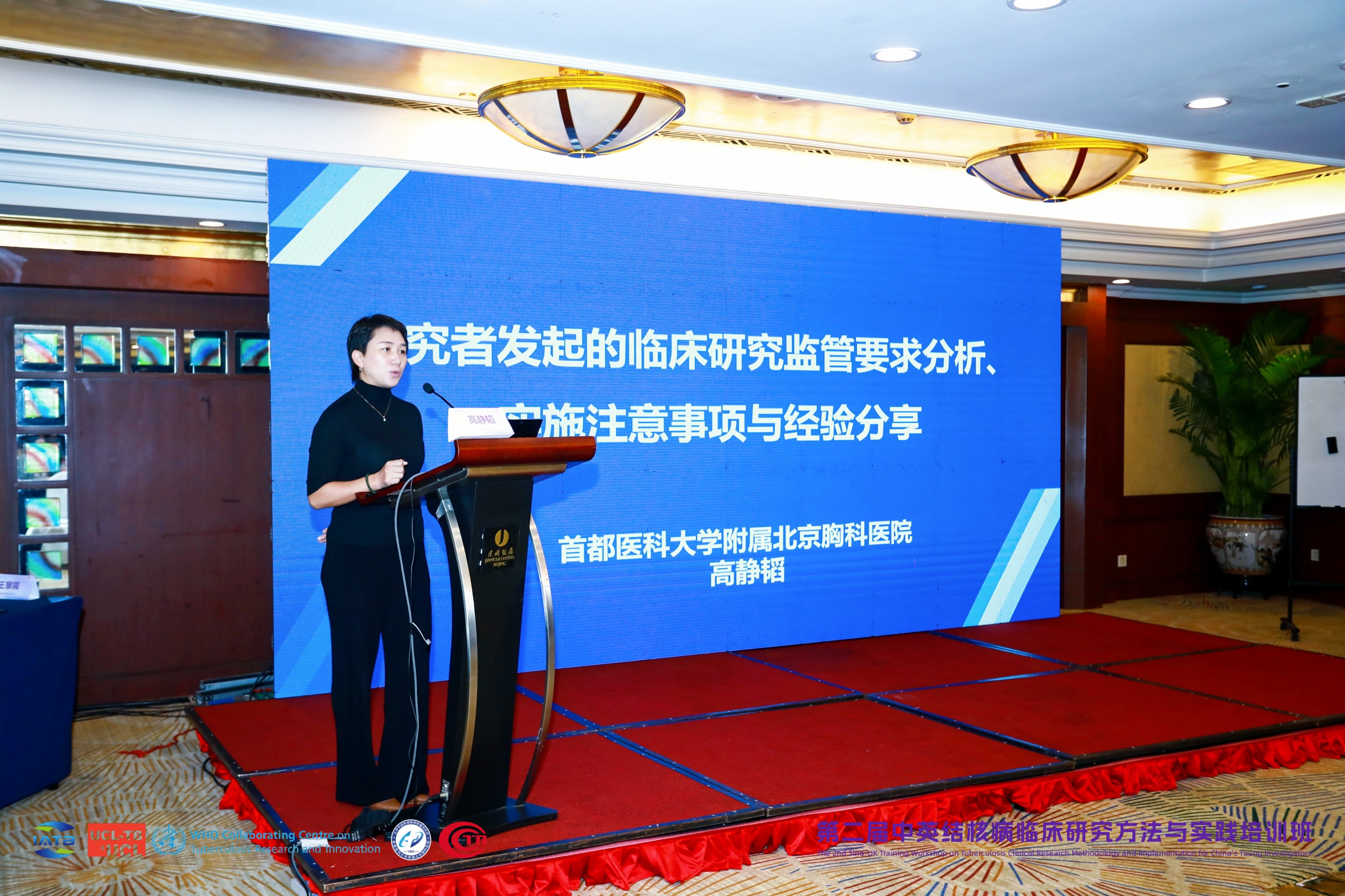
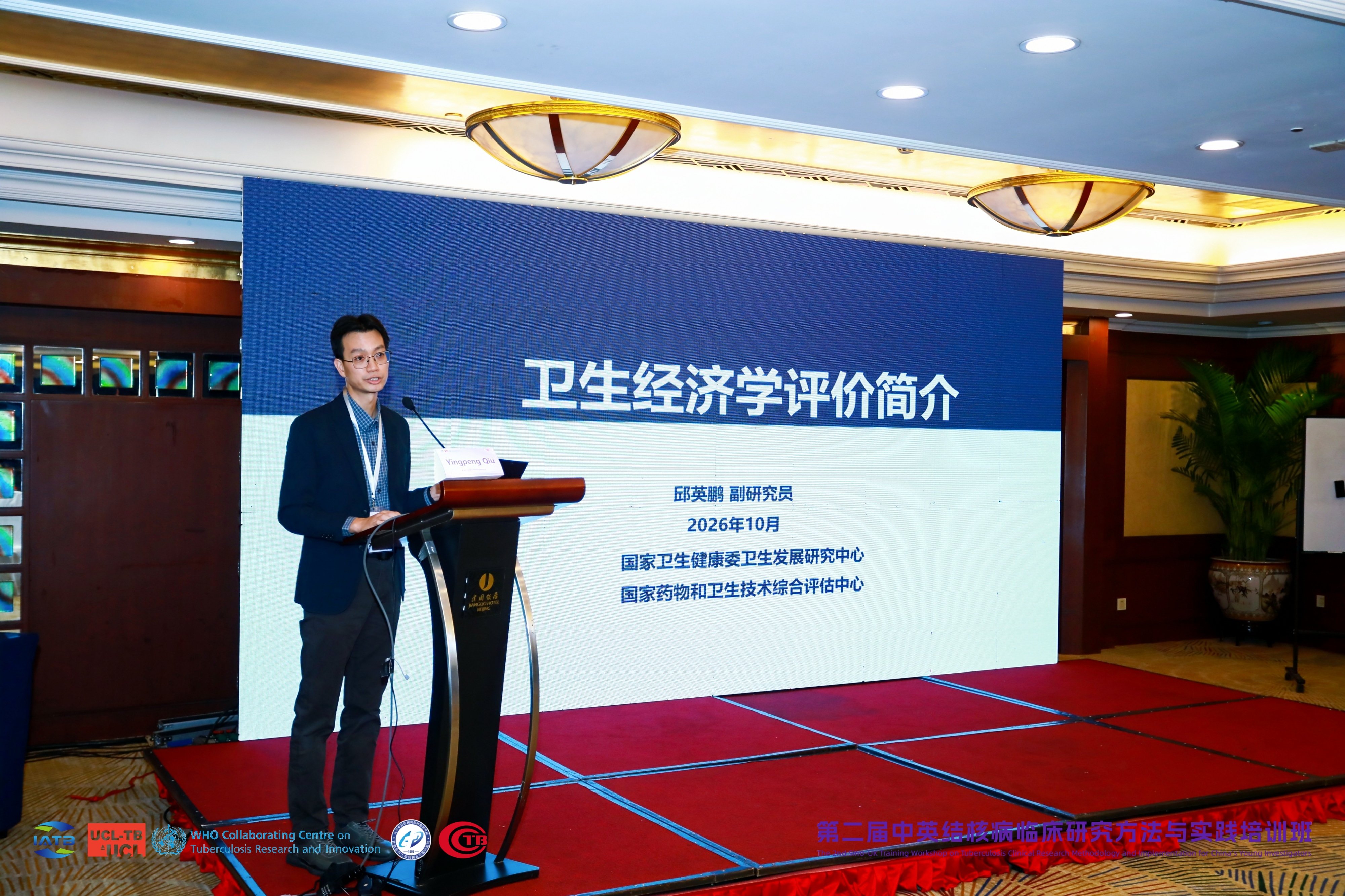
Renowned domestic speakers from Beijing Chest Hospital (Capital Medical University), Chinese Journal of Antituberculosis editorial board, WHO China Office, National Health Commission Development Research Center, Peking Union Medical College Hospital and HiXuyunxiang Bio‑Intelligence Technology addressed local priority themes, namely research missions for young physicians, priority research areas under the WHO End TB Strategy, big‑data mining for CT‑based dual screening, diagnostic performance trials design, questionnaire development and application, operational research, health‑economic evaluation, guideline development and investigator‑initiated studies.
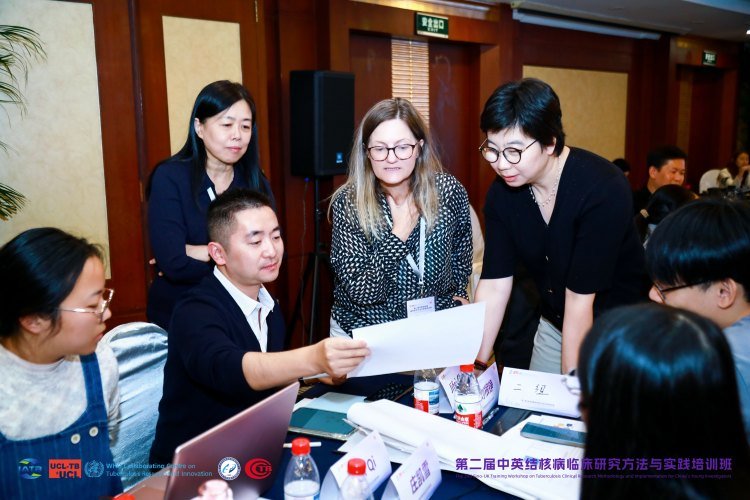
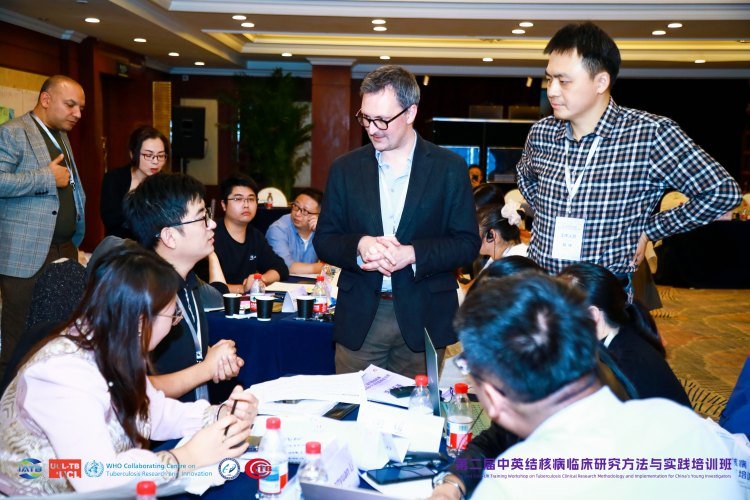
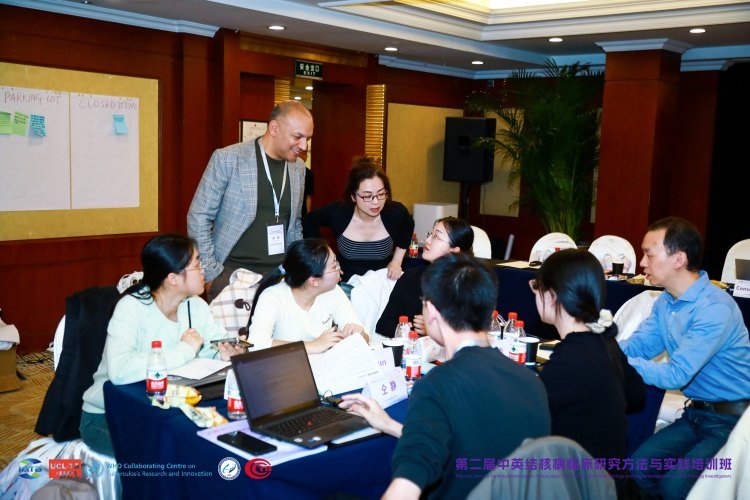
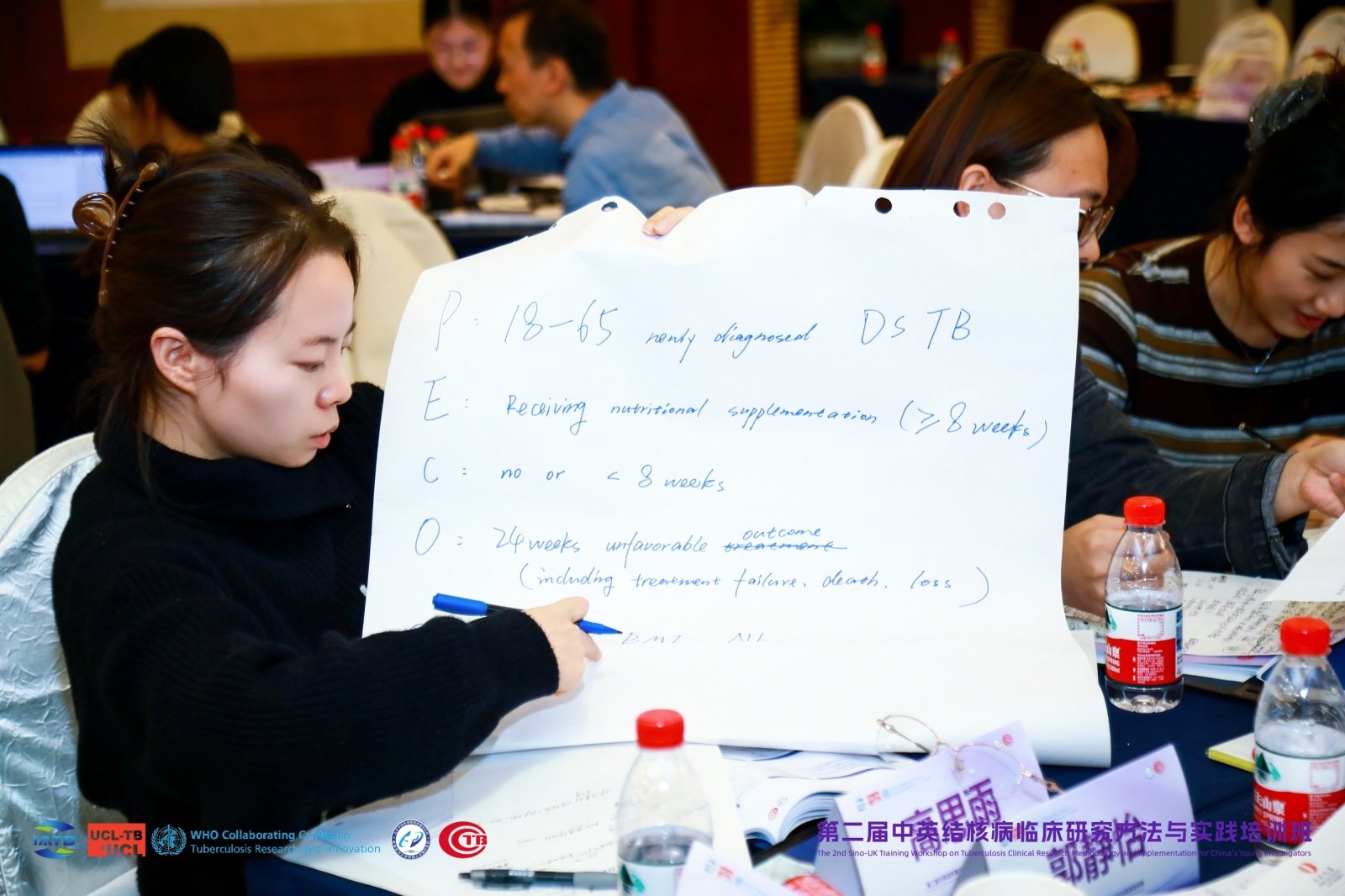
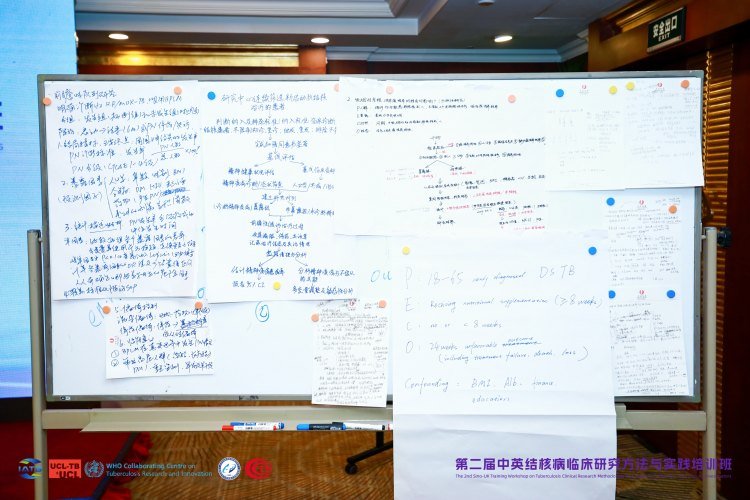
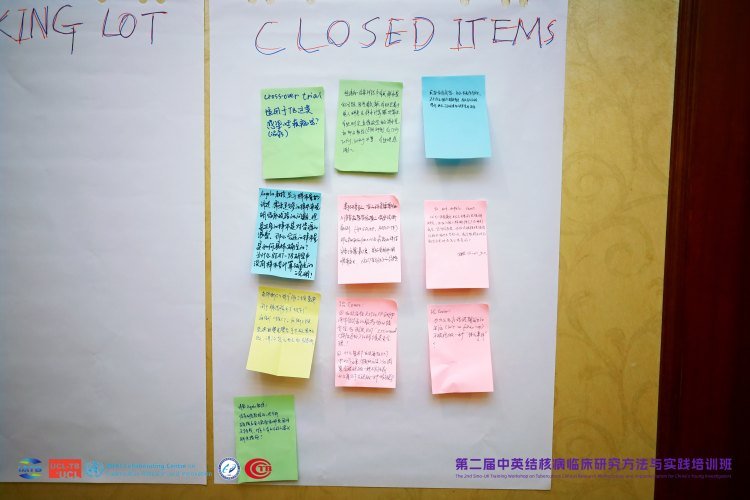
Spanning three days, the curriculum integrated theoretical knowledge with practical application through plenary lectures, Q&A sessions, paper reading and hands‑on group exercises.
Thirty‑eight carefully selected young‑ and middle‑career clinical and research backbones from 21 TB designated hospitals across 20 provinces and municipalities took part. As future pillars of national TB prevention and clinical research, participants engaged actively in discussions and raised practical questions concerning sample‑size calculation, bias mitigation, data utilisation and endpoint selection, seeking solutions to obstacles encountered in their own research projects.
Thirty‑eight carefully selected young‑ and middle‑career clinical and research backbones from 21 TB designated hospitals across 20 provinces and municipalities took part. As future pillars of national TB prevention and clinical research, participants engaged actively in discussions and raised practical questions concerning sample‑size calculation, bias mitigation, data utilisation and endpoint selection, seeking solutions to obstacles encountered in their own research projects.
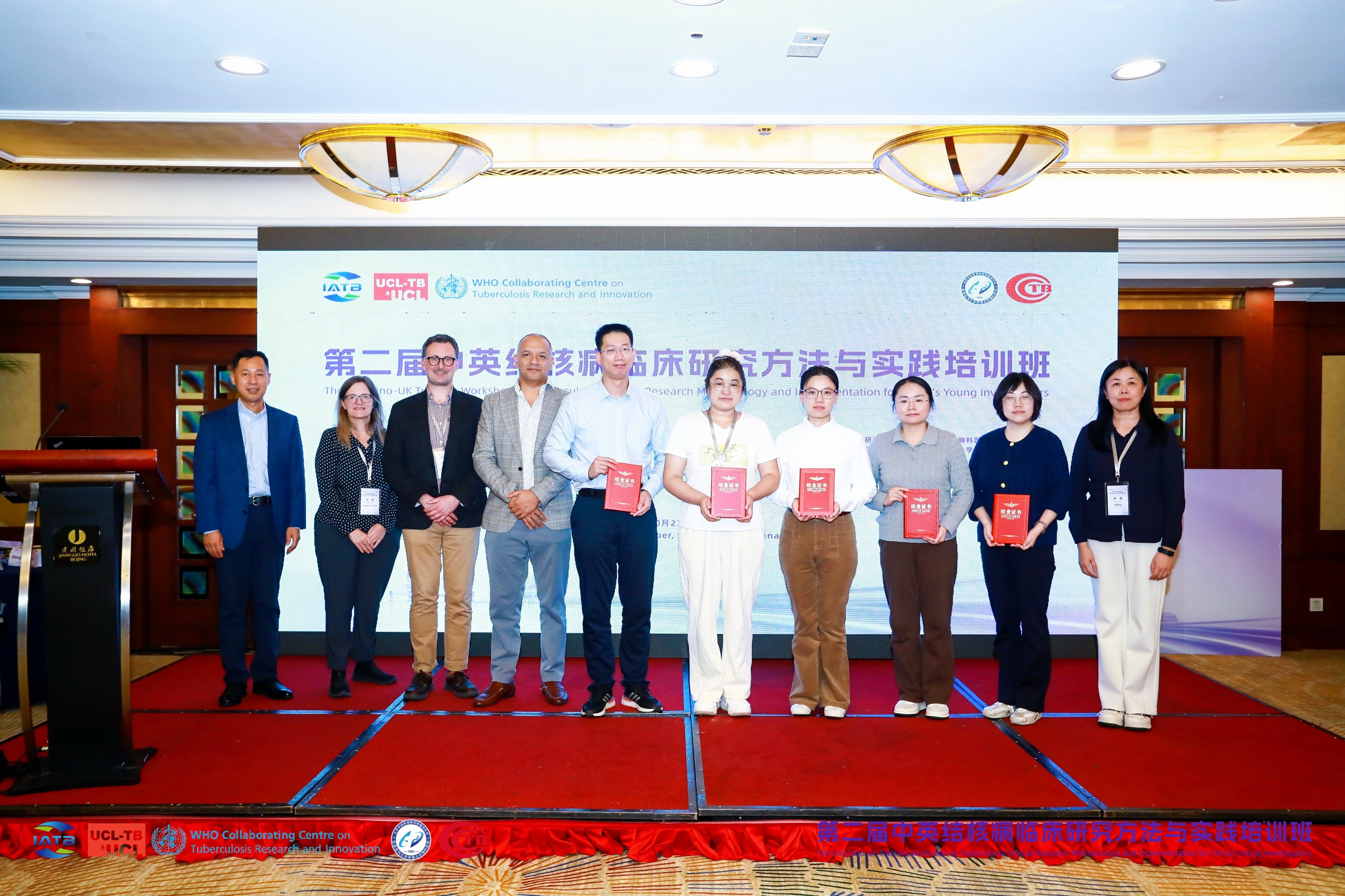
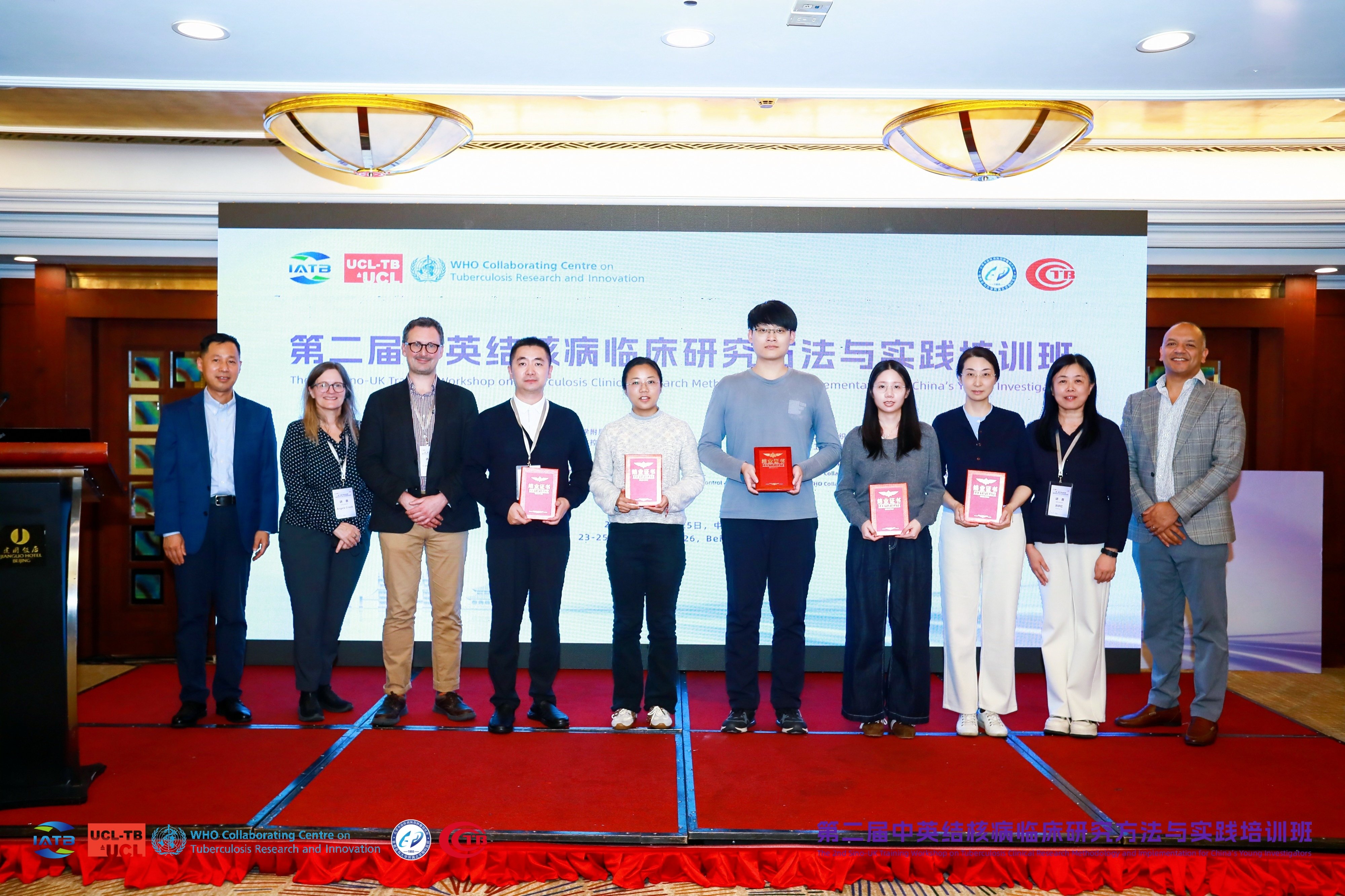
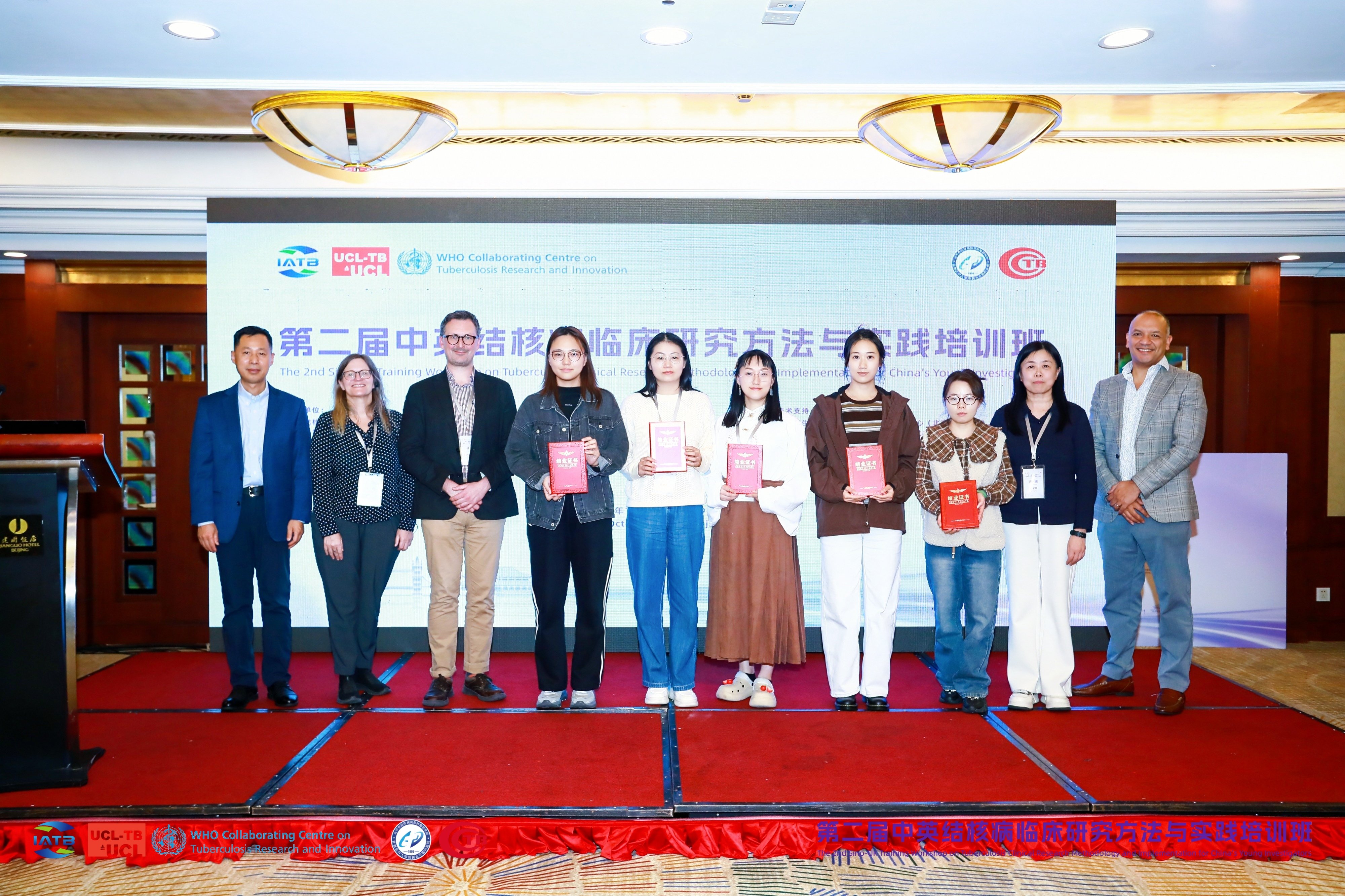
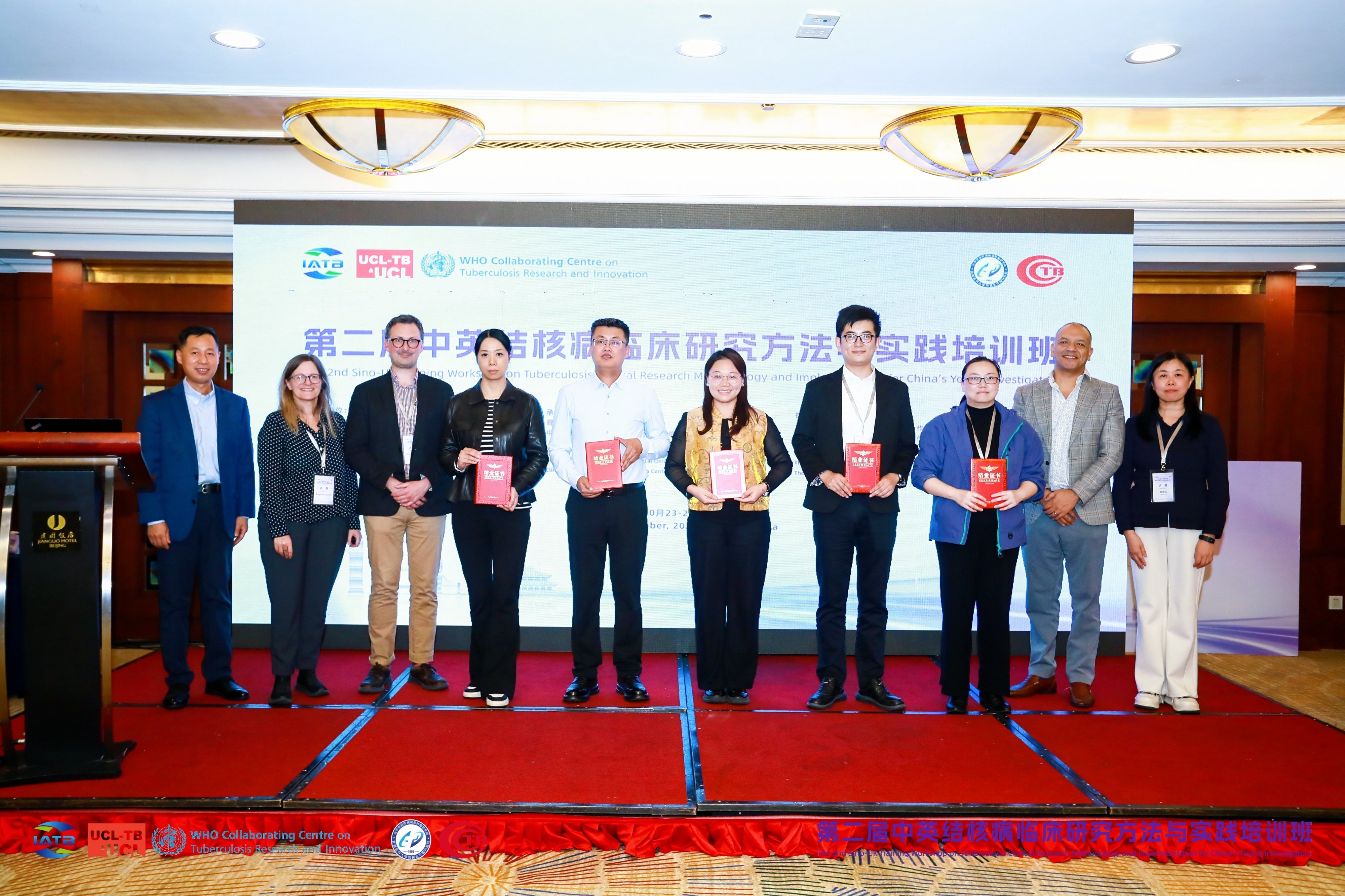
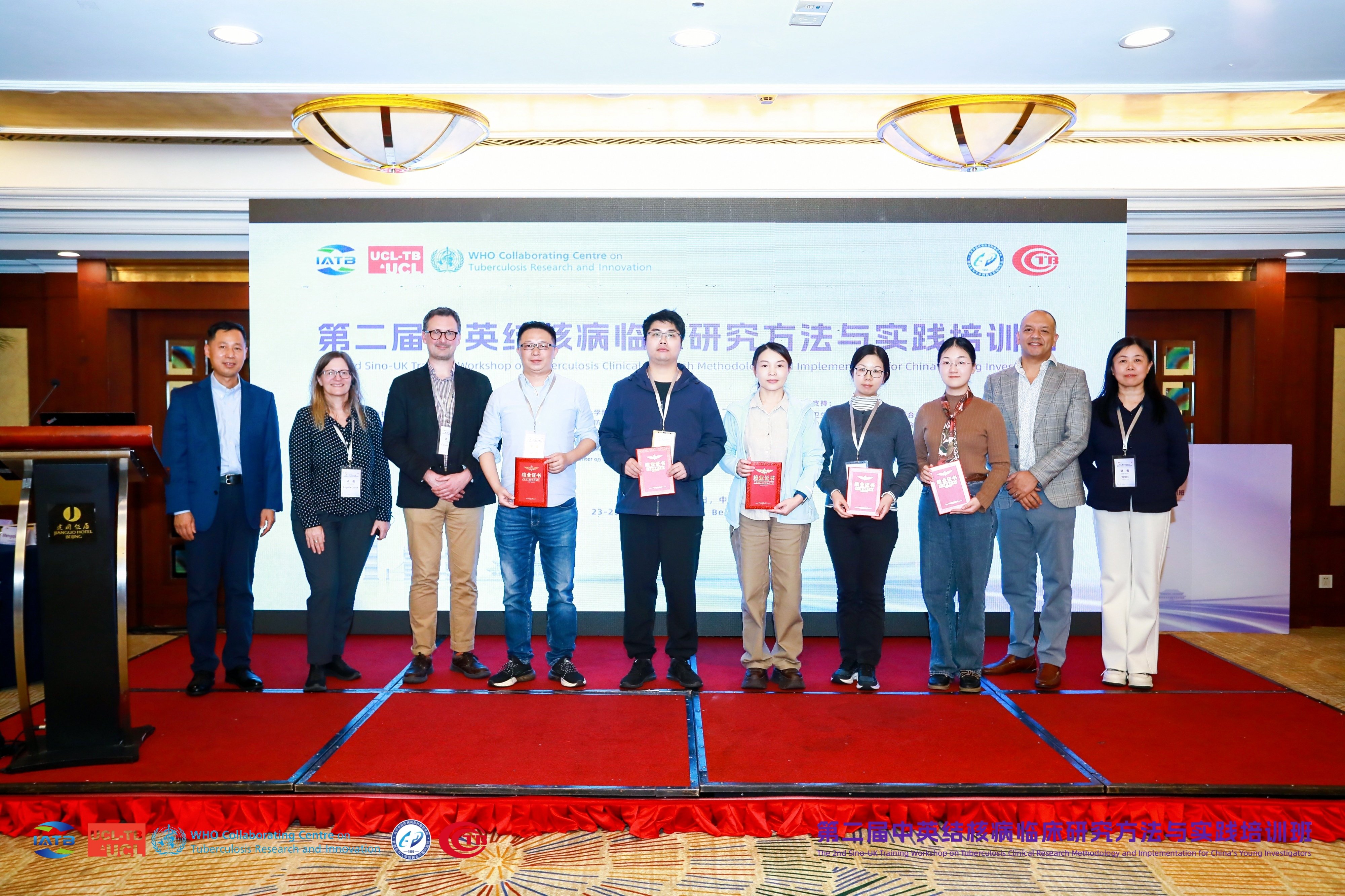
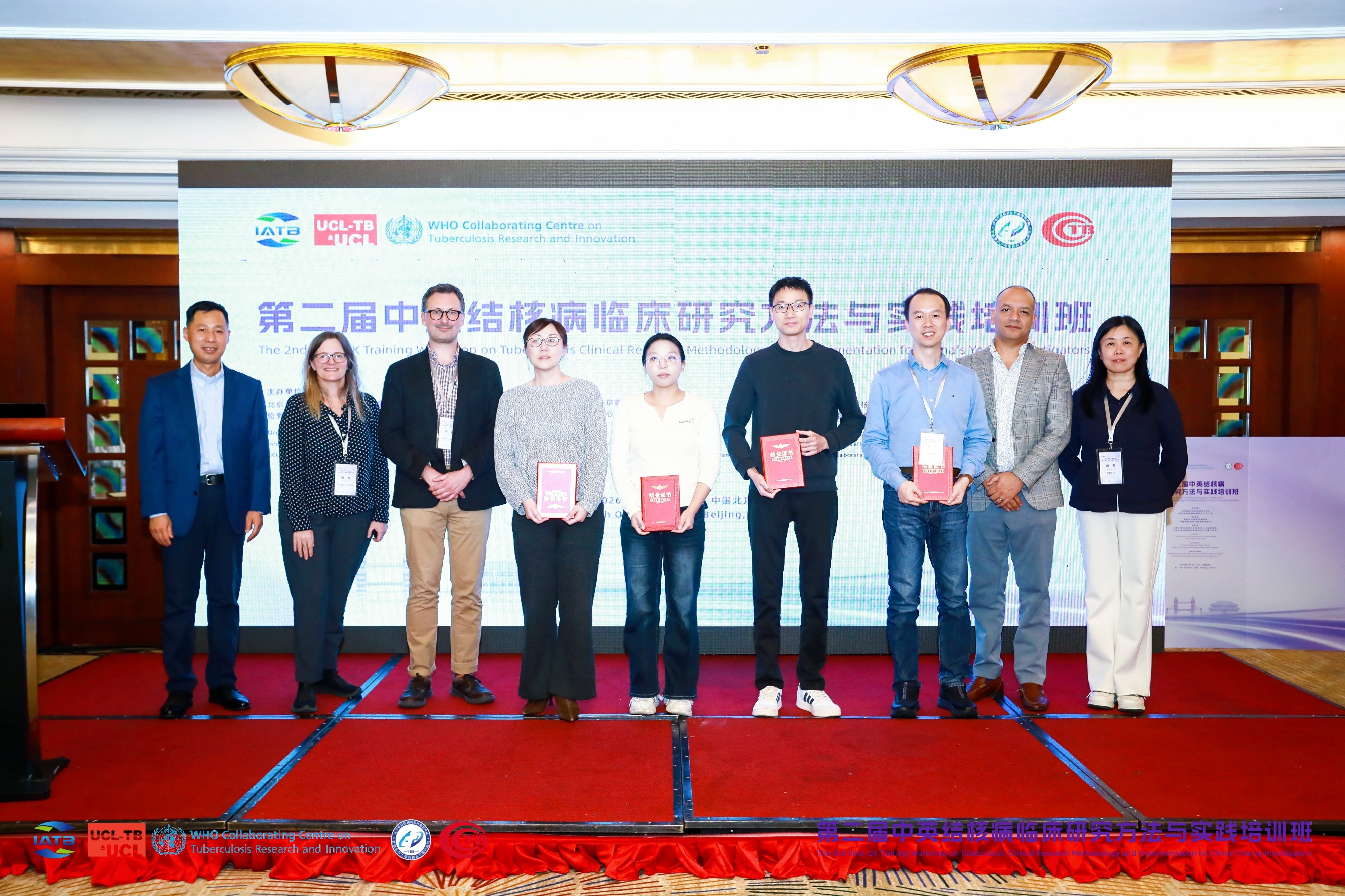
This workshop represents a key collaborative milestone between two WHO CCs: the WHO Collaborating Center for Tuberculosis Research and Training at the Beijing Chest Hospital, and the WHO Collaborating Centre for TB research and innovation at UCL-TB. Building on the success of the inaugural event, it bridges international advanced clinical‑research methodology with domestic TB‑research contexts. By empowering early and mid‑career investigators, it strengthens capacities for rigorous study design and high‑quality evidence generation, fostering original research adapted to China’s TB epidemiology and front‑line clinical realities, and generating evidence for national and global TB elimination efforts.
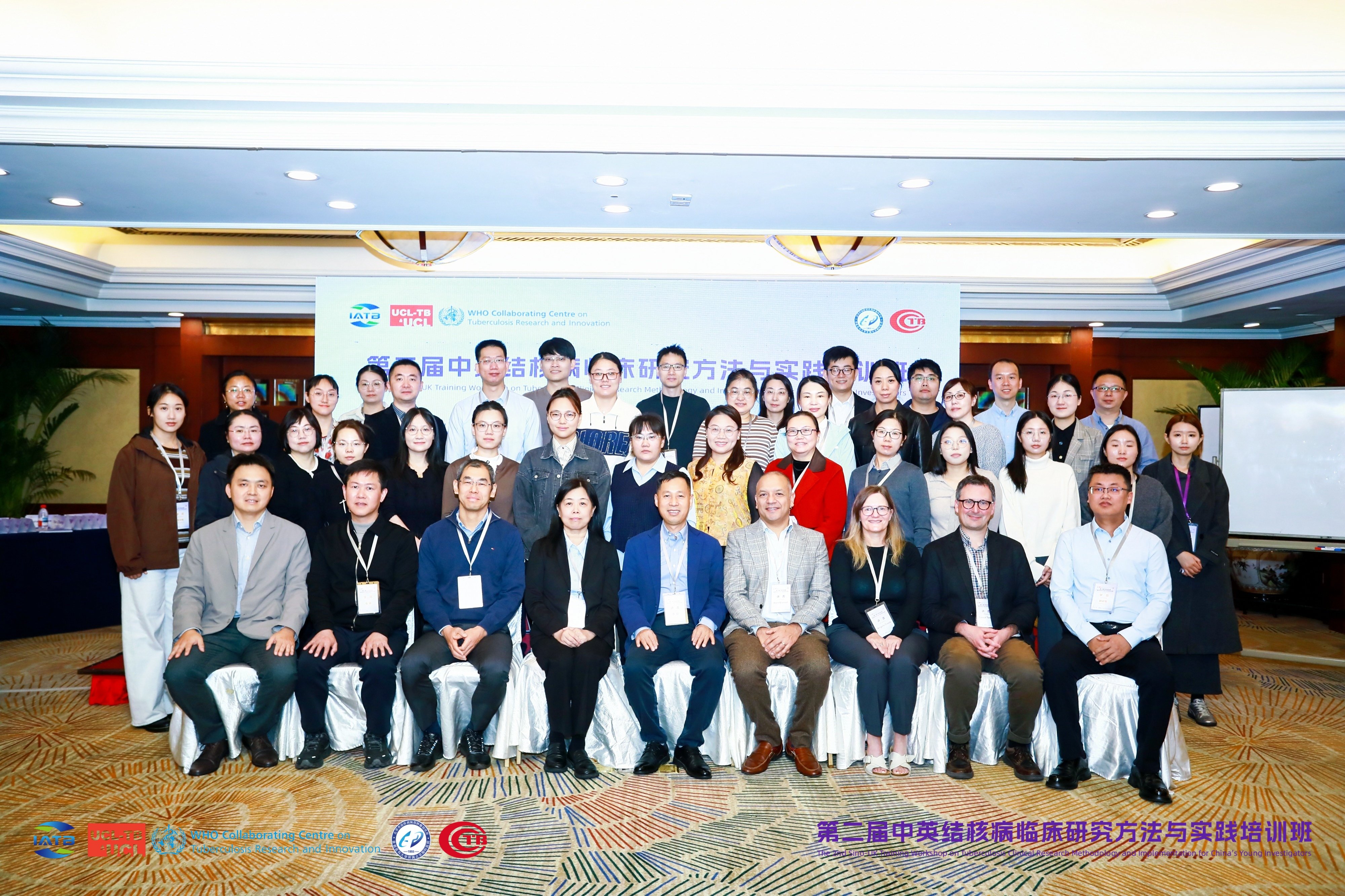
At the closing ceremony, Prof. Hanif Esmail commented that Chinese young clinicians and researchers demonstrated remarkable enthusiasm and problem‑driven engagement throughout the three‑day programme, which constitutes a powerful driver for advancing China’s TB clinical research. He affirmed UCL‑TB’s high value of Sino‑UK partnerships and pledged sustained collaboration.
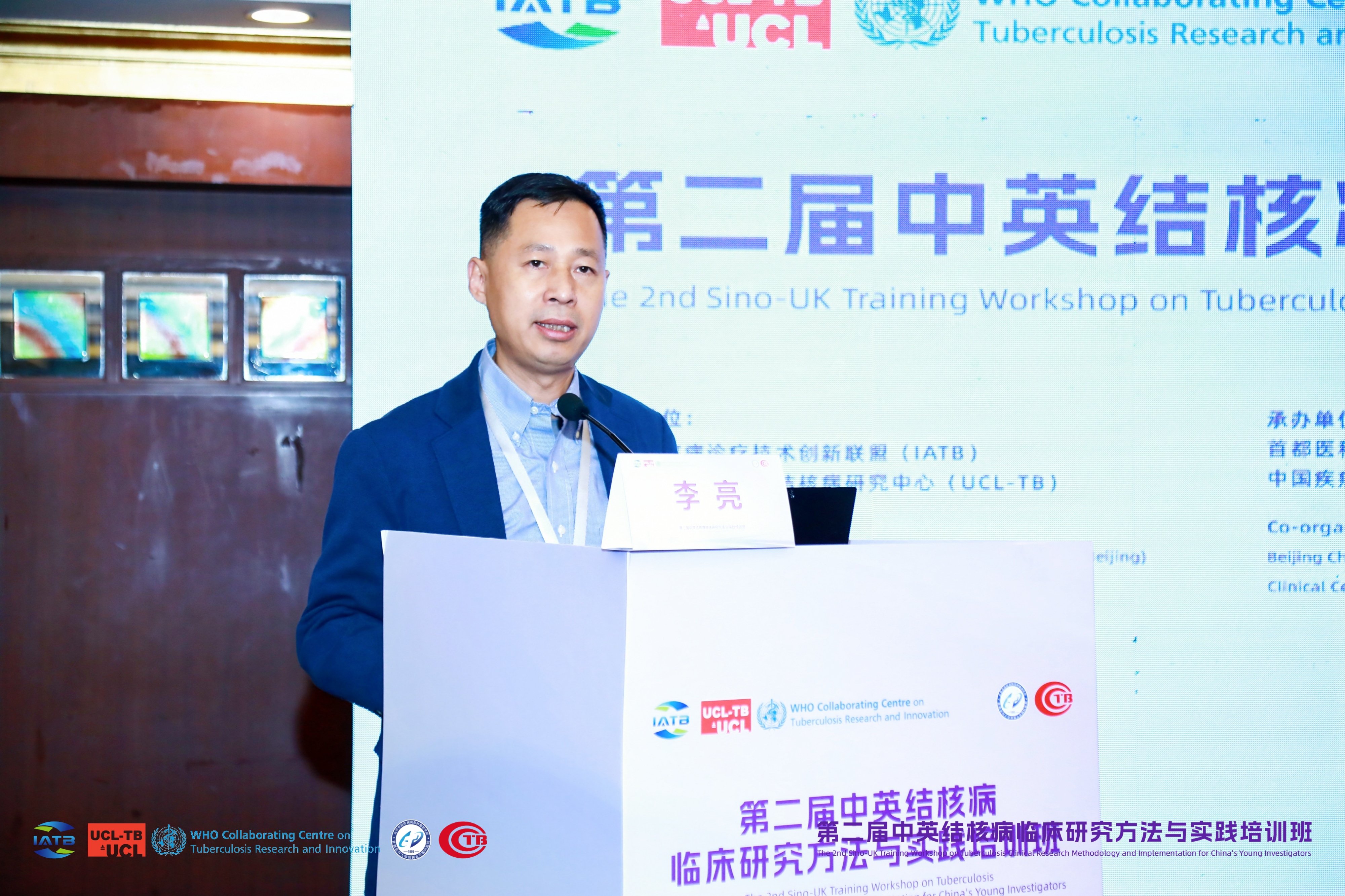
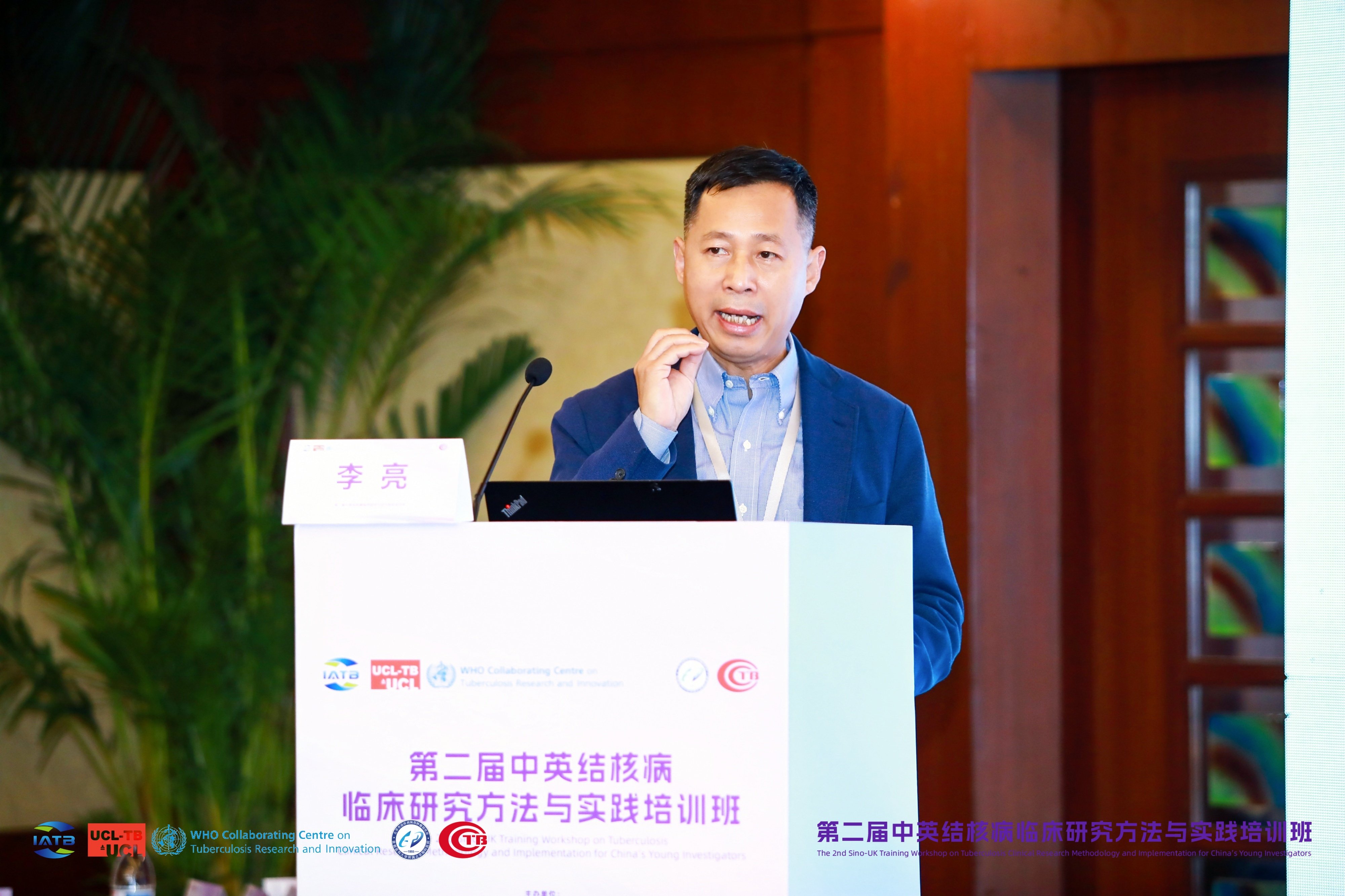
Prof. Liang Li, director of Beijing Chest Hospital, pointed out that clinical‑research competence is a key differentiator among clinicians. This workshop marks an important starting‑point for participants. He encouraged trainees to translate methodological knowledge and pragmatic research mindsets learnt into routine clinical practice and clinical research works at their home institutions, and to contribute continuously to national and global TB research.
The workshop concluded amid vibrant discussions. Moving forward, IATB and UCL‑TB will deepen long‑term partnerships, rolling out further methodological training programmes, joint studies and academic exchanges to improve the talent‑development system for early and mid‑career TB researchers. Together with global partners, both sides will pool expertise toward the shared target of ending the global TB epidemic by 2035.
Report by Zi Chen, IATB